When choosing a safe outdoor surface for a childcare centre, both wet pour rubber and synthetic grass Sydney solutions offer practical benefits. Wet pour rubber is often preferred for playground areas requiring impact absorption, while synthetic grass provides a natural-looking, low-maintenance surface suitable for play spaces, outdoor learning areas, and landscaping.
Selecting the right option depends on factors such as safety requirements, daily usage, maintenance expectations, drainage needs, and the overall design of the childcare environment. Understanding the differences between these surfaces can help centre operators create an outdoor space that is functional, comfortable, and suitable for children.
Understanding Wet Pour Rubber and Synthetic Grass for Childcare Areas
Childcare centres need outdoor surfaces that can handle frequent activity while supporting children’s safety during play. Both wet pour rubber and synthetic turf are commonly used in playgrounds, early learning centres, and recreational areas because they provide alternatives to harder surfaces such as concrete or pavers. (syntheticgrass.com.au)
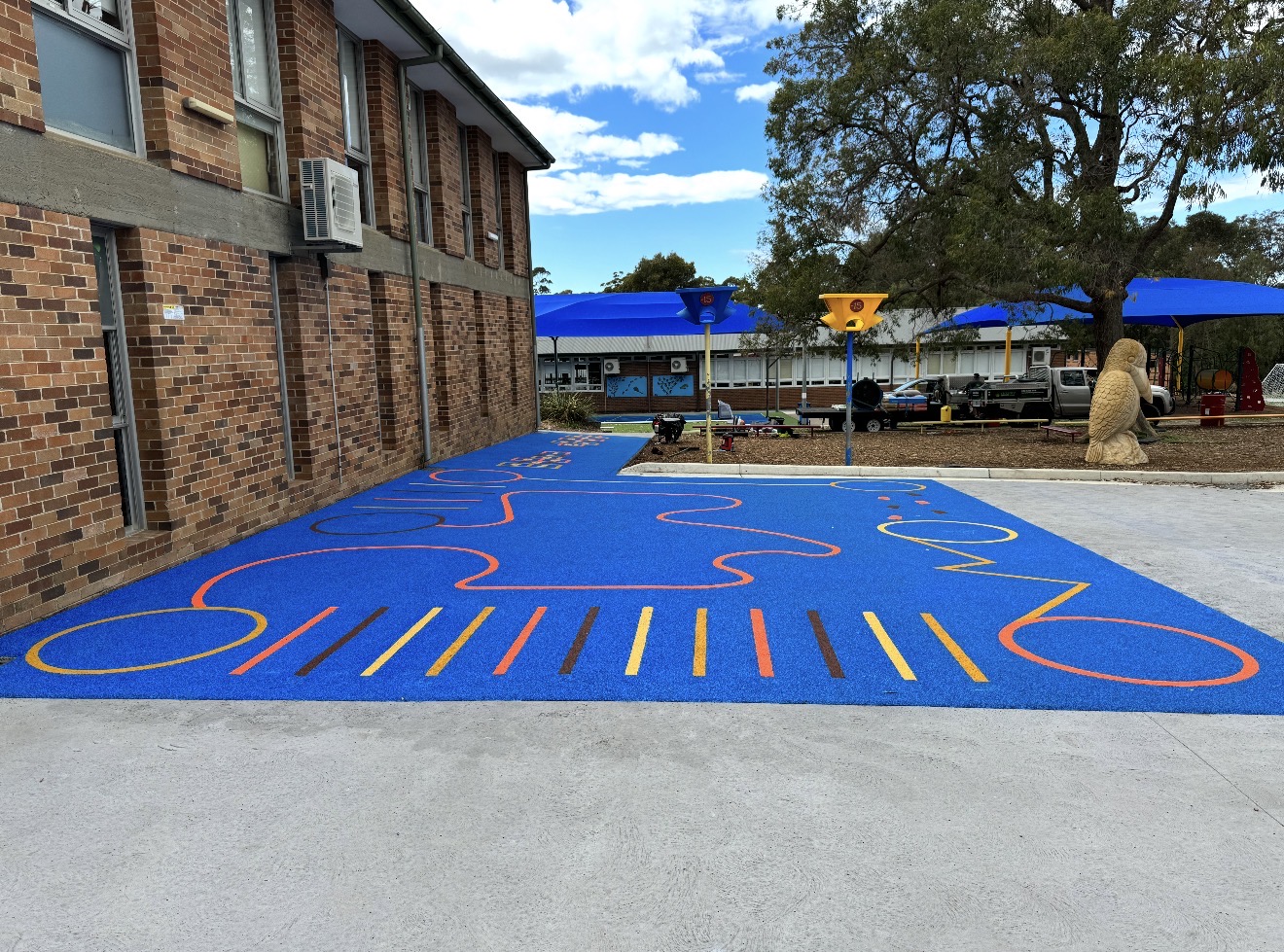
Wet pour rubber is a seamless rubber surfacing system made by combining rubber granules with a binding agent and installing the material directly onto a prepared base. It creates a cushioned surface that can help reduce the impact of falls around playground equipment.
Synthetic grass provides the appearance of a natural lawn without the ongoing mowing, watering, and fertilising requirements of traditional grass. Modern artificial turf systems are designed with durable fibres, drainage layers, and soft underlays to create a comfortable outdoor area.
Both options can be suitable for childcare centres, but they serve slightly different purposes depending on how the space will be used.
Synthetic Grass Sydney vs Wet Pour Rubber: Key Differences
When comparing synthetic grass Sydney installations with wet pour rubber, it is important to look beyond appearance. Each surface offers different advantages for childcare environments.
Safety and Impact Protection
Safety is one of the most important considerations for childcare outdoor areas. Wet pour rubber is widely used around playground equipment because its impact-absorbing qualities can help reduce the severity of injuries from falls. Surface depth and installation design are important factors when meeting playground safety requirements. (EnduroTurf)
Synthetic grass can also be installed with shock pads or impact layers underneath to improve cushioning. However, the level of protection depends on the complete system design, including the turf type, base preparation, and underlying safety layers.
For areas with climbing equipment, slides, and higher fall zones, wet pour rubber may be the preferred option. For general play areas, outdoor classrooms, and open spaces, synthetic grass can provide a softer and more natural environment.
Appearance and Design Options
Synthetic grass creates a green outdoor setting that closely resembles a traditional lawn. This can help childcare centres create inviting spaces where children can play, explore, and participate in outdoor activities.
Wet pour rubber offers greater design flexibility through different colours, patterns, and creative layouts. Centres can incorporate shapes, pathways, games, and educational designs directly into the surface.
The choice often depends on the desired atmosphere. Synthetic turf creates a garden-like feel, while wet pour rubber can create a colourful and interactive playground design.
Maintenance Requirements
Both surfaces require regular care, but maintenance needs are different.
Synthetic grass generally requires:
- Removing leaves and debris.
- Occasional brushing to keep fibres upright.
- Cleaning spills and high-use areas.
- Checking drainage performance.
Wet pour rubber usually requires:
- Regular sweeping to remove debris.
- Cleaning stains or dirt build-up.
- Inspecting the surface for wear over time.
- Repairing damaged sections when required.
A well-maintained surface can provide better long-term performance and help maintain a safe environment for children.
Which Surface Is Better For Childcare Centres?
There is no single answer because the best surface depends on the purpose of the area. Many childcare centres combine different surfaces to create outdoor spaces that support various activities.
For example, a playground zone with climbing equipment may benefit from wet pour rubber because of its impact absorption. Meanwhile, surrounding areas used for free play, gardening activities, or outdoor seating may work well with synthetic grass.
When planning a childcare outdoor area, consider:
- The type of playground equipment installed.
- Expected daily foot traffic.
- Age groups using the space.
- Drainage requirements.
- Desired appearance and design.
- Ongoing maintenance availability.
A combination approach can provide both safety and visual appeal while allowing children to enjoy different outdoor experiences.
Australian Safety Standards and Childcare Surfacing Requirements
Childcare centres must consider relevant Australian safety requirements when installing playground surfaces. Playground surfacing is assessed based on factors such as fall height, impact absorption, and surface performance.
Australian Standards including AS 4422 for playground surfacing and AS 4685 for playground equipment and safety requirements are commonly referenced when designing compliant play areas. (Working with experienced installers helps ensure the surface system is designed correctly from the beginning. Proper preparation, suitable materials, and correct installation methods all contribute to creating a safer outdoor environment.
How Long Do These Surfaces Last?
The lifespan of childcare surfacing depends on installation quality, usage levels, weather exposure, and maintenance.
High-quality synthetic grass can provide many years of performance when installed correctly and maintained regularly. Areas with heavy foot traffic may require stronger turf specifications to maintain appearance and durability.
Wet pour rubber can also provide long-term performance when properly installed and maintained. Over time, high-use areas may require repairs or resurfacing to maintain safety and appearance.
Regular inspections are valuable for childcare centres because they help identify small issues before they become larger problems.
Choosing The Right Surface For Your Childcare Outdoor Area
Every childcare centre has different requirements. A small outdoor courtyard may need a different solution compared with a large playground area with multiple activity zones.
Before selecting a surface, consider how children will interact with the space. A play area designed for running and imaginative activities may benefit from synthetic grass, while areas surrounding play equipment may require additional impact protection.
Luxury Synthetic Grass helps childcare operators create practical outdoor environments by considering factors such as durability, appearance, drainage, and everyday use. A carefully planned installation can support a safer and more enjoyable outdoor experience.
When to Call a Professional
Choosing between wet pour rubber and synthetic grass can be challenging without understanding your site conditions and safety requirements. An experienced installer can assess your childcare area, recommend suitable materials, and explain the installation process.
Luxury Synthetic Grass can assist with selecting the right surfacing solution for your childcare centre, whether you need synthetic turf, safety-focused surfacing, or a customised outdoor design. Professional planning helps ensure the finished area meets your needs and provides long-term value.
Conclusion
Both wet pour rubber and synthetic grass Sydney solutions can be excellent choices for childcare centres when they are selected and installed correctly. Wet pour rubber is often ideal for playground zones requiring impact protection, while synthetic grass offers a natural appearance and versatile play surface.
The best choice depends on your childcare centre’s layout, safety requirements, maintenance preferences, and how children will use the outdoor area. Contact Luxury Synthetic Grass to discuss a suitable surfacing solution designed around your childcare environment.
Frequently Asked Questions
Is synthetic grass safe for childcare centres?
Yes, synthetic grass can be suitable for childcare centres when installed with appropriate safety layers, quality materials, and correct preparation. The overall system design determines its performance.
Is wet pour rubber safer than synthetic grass?
Wet pour rubber is commonly used around playground equipment because it provides impact-absorbing properties. However, synthetic grass systems with suitable shock pads can also provide safer play surfaces.
Which surface requires less maintenance, wet pour rubber or synthetic grass?
Both surfaces require minimal maintenance compared with natural grass. Synthetic grass usually requires brushing and cleaning, while wet pour rubber requires sweeping and occasional inspections.
Can childcare centres use both synthetic grass and wet pour rubber together?
Yes, many childcare centres combine both surfaces to create different activity zones. Synthetic grass can provide a natural play area, while wet pour rubber can be used around equipment requiring additional impact protection.