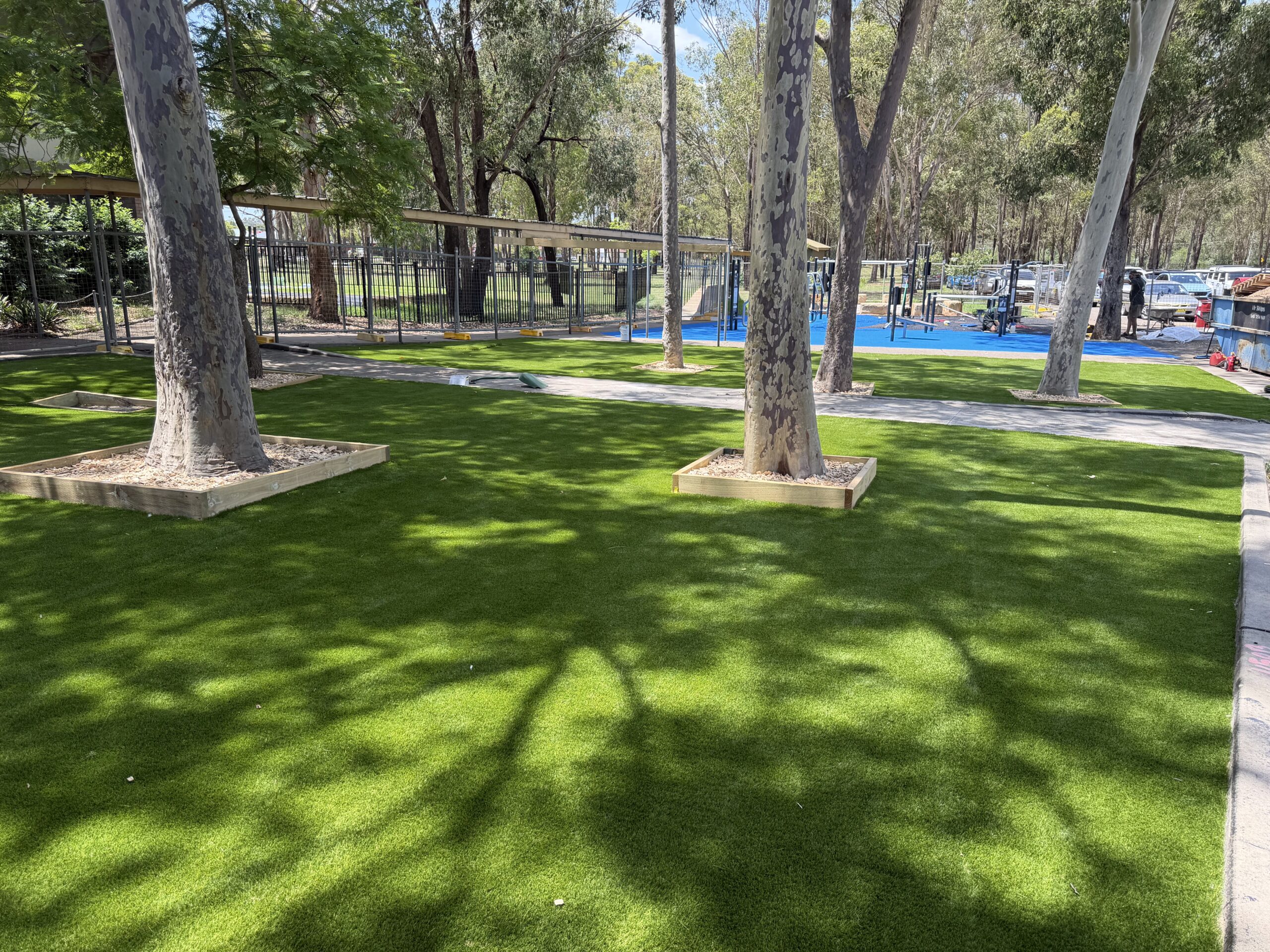
To clean and maintain synthetic grass, remove debris regularly, rinse the surface when needed, brush the fibres to keep them upright and address spills or pet waste promptly. With simple routine care, artificial grass can maintain its appearance, drainage performance and usability for many years.
Synthetic turf is popular among Australian homeowners because it provides a green outdoor space without the mowing, watering and regular lawn treatments required by natural grass. However, low maintenance does not mean no maintenance.
Regular care helps prevent dirt buildup, keeps fibres looking natural and supports a cleaner outdoor environment for families, children and pets.
Luxury Synthetic Grass helps Australian homeowners create practical outdoor areas with synthetic turf solutions designed for everyday use. Understanding the correct maintenance approach can help you protect your investment and keep your lawn looking its best.
Why Does Synthetic Grass Need Maintenance?
Artificial grass does not grow, but it is still exposed to outdoor conditions every day.
Dust, leaves, pollen, dirt, pet waste and weather exposure can affect the appearance and cleanliness of your synthetic lawn over time.
Regular maintenance helps:
- Keep turf fibres standing upright
- Remove unwanted debris
- Support effective drainage
- Prevent surface buildup
- Maintain the lawn’s appearance
- Improve hygiene in pet areas
The amount of maintenance required depends on how the area is used. A decorative lawn may need less care than a backyard used regularly by children, pets or entertainers.
How Often Should You Clean Synthetic Grass?
The ideal cleaning schedule depends on your environment and lifestyle.
For many Australian homes, basic maintenance every few weeks is enough to keep synthetic grass looking good. High-use areas may require more frequent attention.
Factors that influence cleaning frequency include:
- Number of people using the area
- Presence of pets
- Nearby trees and plants
- Dust levels
- Weather conditions
- Amount of outdoor activity
A simple routine is usually easier to manage than waiting until dirt and debris have built up.
Remove Leaves and Debris Regularly
One of the easiest ways to clean and maintain synthetic grass is by removing surface debris.
Leaves, twigs and organic matter can collect between turf fibres, particularly in gardens with trees nearby.
You can remove debris using:
- A soft-bristle broom
- A plastic rake designed for synthetic turf
- A leaf blower
- Manual removal for smaller areas
Avoid using sharp tools that may damage the turf fibres or backing.
Removing organic material also helps reduce the chance of moss, mould or unwanted plant growth developing around the surface.
Brush Synthetic Grass to Maintain Fibre Position
Over time, foot traffic, furniture and outdoor activities can flatten synthetic grass fibres.
Brushing helps restore the upright appearance of the turf and spreads pressure across the surface.
When brushing:
- Use a soft or synthetic bristle brush
- Brush against the natural direction of the fibres
- Focus on high-traffic areas
- Avoid excessive force
Regular brushing is particularly useful around pathways, outdoor seating areas and play spaces.
How to Clean Spills and Stains
Outdoor areas are often used for dining, entertaining and family activities, which means spills can happen.
Most everyday spills can be managed with simple cleaning.
For common spills:
- Remove the substance as soon as possible.
- Rinse the area with clean water.
- Use a mild cleaning solution if needed.
- Avoid harsh chemicals that may damage the turf.
Examples of substances that may require attention include:
- Food and drink spills
- Dirt marks
- Mud
- Outdoor stains
- Organic material
Always follow the turf manufacturer’s cleaning recommendations.
Maintaining Synthetic Grass With Pets
Pet-friendly artificial grass requires a slightly different maintenance approach.
Dogs and other pets can use synthetic turf comfortably when the surface is installed correctly and cleaned regularly.
Pet maintenance includes:
- Removing solid waste promptly
- Rinsing areas used frequently
- Cleaning after accidents
- Checking drainage performance
- Using suitable pet-safe products when required
Good drainage is especially important because it allows liquids to move through the turf system rather than remaining on the surface.
How to Remove Pet Odours From Artificial Grass
Pet odours usually develop when organic matter or bacteria build up.
A regular cleaning routine can help keep the lawn fresh.
Helpful steps include:
- Remove waste quickly
- Rinse pet areas with water
- Use synthetic turf cleaning products where appropriate
- Maintain good drainage
- Keep surrounding areas clean
Avoid using unsuitable household chemicals without checking whether they are safe for synthetic grass.
Check and Maintain Drainage
Drainage is an important part of synthetic grass performance.
A correctly installed artificial lawn should allow water to pass through the turf and move into the prepared base underneath.
To support drainage:
- Remove leaves and debris
- Keep nearby drains clear
- Avoid allowing soil or dirt to build up
- Watch for areas where water collects
If you notice ongoing pooling after normal rainfall, it may indicate an underlying drainage or installation issue.
Avoid Common Synthetic Grass Maintenance Mistakes
Although artificial grass is durable, certain maintenance mistakes can reduce its lifespan.
Avoid:
Using Harsh Chemicals
Strong chemicals may affect turf fibres, backing materials or colour.
Using Metal Tools
Metal rakes or sharp equipment can damage the surface.
Ignoring Small Problems
Loose edges, damaged joins or drainage issues should be addressed before they become larger concerns.
Placing Extreme Heat Sources on Turf
Items such as reflective objects, hot equipment or direct heat sources can damage synthetic grass.
Can You Pressure Wash Synthetic Grass?
Pressure washing may not always be necessary and should be approached carefully.
Excessive pressure can affect turf fibres, infill materials or joins depending on the installation.
For most residential cleaning, gentle rinsing and suitable brushing are usually enough.
If deeper cleaning is required, consult the turf installer or follow manufacturer recommendations.
Seasonal Maintenance Considerations in Australia
Australian conditions vary between regions, so maintenance needs can differ.
Homes in areas with:
- Heavy rainfall may need more attention to drainage
- Dry conditions may collect more dust
- Coastal exposure may require regular rinsing
- Dense vegetation may collect more leaves
Your maintenance routine should reflect your local environment rather than following a one-size-fits-all approach.
How Long Does Synthetic Grass Last With Proper Care?
The lifespan of artificial grass depends on factors such as product quality, installation, usage and maintenance.
Regular cleaning helps protect the appearance and performance of the turf.
A well-installed synthetic lawn that receives suitable care can continue providing a practical outdoor surface for many years.
Professional Installation Supports Easier Maintenance
Maintenance becomes easier when synthetic grass is installed correctly from the beginning.
Professional installation helps ensure:
- Proper ground preparation
- Effective drainage
- Secure edges
- Correct turf placement
- Suitable finishing details
Luxury Synthetic Grass provides synthetic turf installations designed for Australian properties, considering factors such as drainage, usage and long-term maintenance.
When to Call a Professional
If your synthetic grass has ongoing drainage problems, damaged sections, loose edges or areas that are difficult to clean, professional assistance may be needed.
A specialist can assess the condition of your turf and recommend suitable repairs or maintenance solutions.
Luxury Synthetic Grass can help Australian homeowners with synthetic turf installation, care advice and solutions designed to keep outdoor areas practical and attractive.
Conclusion
Knowing how to clean and maintain synthetic grass helps protect your lawn and keeps it looking fresh throughout the year. Regular debris removal, brushing, rinsing and prompt cleaning can prevent common problems.
Artificial grass is designed to reduce maintenance compared with natural lawns, but simple care is still needed to maintain its appearance and performance.
If you want advice about synthetic turf installation or caring for your existing lawn, Luxury Synthetic Grass can help create and maintain a practical outdoor space.
FAQs
How often should you clean synthetic grass?
The frequency depends on usage, weather conditions and whether pets use the area. Many homeowners perform basic maintenance every few weeks.
Can you use regular cleaning products on artificial grass?
Some household chemicals may damage synthetic turf. Use products recommended for artificial grass and follow manufacturer instructions.
How do you stop synthetic grass from smelling with pets?
Regular waste removal, rinsing and suitable pet-safe cleaning products can help reduce odours.
Does artificial grass need brushing?
Yes. Brushing helps keep fibres upright, improves appearance and reduces flattening in high-traffic areas.