The best flooring for a house depends on where the flooring will be installed, how much foot traffic the area receives, and how much maintenance you want to manage. For Camden homes, tiles, hybrid flooring, timber, carpet and outdoor artificial grass can all work well when matched to the right part of the property.
There is no single material that performs best in every room. Kitchens and bathrooms have different requirements from bedrooms, living areas and outdoor spaces, so choosing flooring room by room usually produces a better result.
What Should You Consider When Choosing Flooring?
Before choosing flooring, think about how you actually use your home. A family with children, pets and frequent visitors will usually need something different from a quieter household.
Consider:
- How much foot traffic the room receives
- Whether the area regularly gets wet
- How easy the surface is to clean
- Whether pets or children use the space
- How the flooring handles heat and sunlight
- How much regular maintenance you are prepared to do
Camden can experience hot summer conditions, so materials exposed to direct sunlight should also be chosen with heat and UV exposure in mind.
What Is the Best Flooring for a House Living Area?
For most living rooms and open-plan areas, hybrid flooring, engineered timber and tiles are common choices.
Hybrid flooring has become popular because it provides the appearance of timber while offering better resistance to moisture than many traditional timber products. It is also relatively easy to clean, which can suit busy households.
Engineered timber gives you a more natural timber finish. It can work well in living rooms and dining areas, although spills should still be cleaned quickly to reduce the risk of moisture damage.
Tiles are another practical option, particularly in homes where easy cleaning is a priority. They can feel cooler underfoot during warmer weather, although some homeowners prefer rugs during winter.
The best flooring for a house living area ultimately depends on whether you prioritise appearance, water resistance, comfort or low maintenance.
Best Flooring for Kitchens and Bathrooms
Wet areas need flooring that can handle moisture properly.
Tiles remain one of the most common choices for bathrooms, laundries and kitchens because they are durable and easy to clean. In bathrooms and other wet areas, installation should also comply with relevant waterproofing requirements under the National Construction Code and applicable Australian Standards.
Hybrid and vinyl flooring may also suit some kitchen applications, provided the product is rated for the intended area.
Traditional laminate flooring can be more vulnerable to moisture if water reaches the joins or sits on the surface for too long. Always check the manufacturer’s installation and moisture guidelines before using any product in a wet or semi-wet area.
What Flooring Works Best in Bedrooms?
Carpet is still widely used in Australian bedrooms because it feels soft and can provide additional warmth and noise reduction.
Timber, hybrid and laminate flooring can also work well if you prefer a harder surface that is easier to vacuum or mop. Rugs can then be added beside beds or in children’s rooms for comfort.
If allergies are a concern, some homeowners prefer hard flooring because dust and pet hair are usually easier to see and remove.
There is no universal answer here. The best flooring for a house bedroom depends largely on comfort, cleaning preferences and how the room is used.
What About Outdoor Areas?
Outdoor flooring has different requirements from indoor flooring. It needs to handle rain, sunlight, dirt and temperature changes.
Common options include concrete, pavers, decking, outdoor tiles and artificial grass.
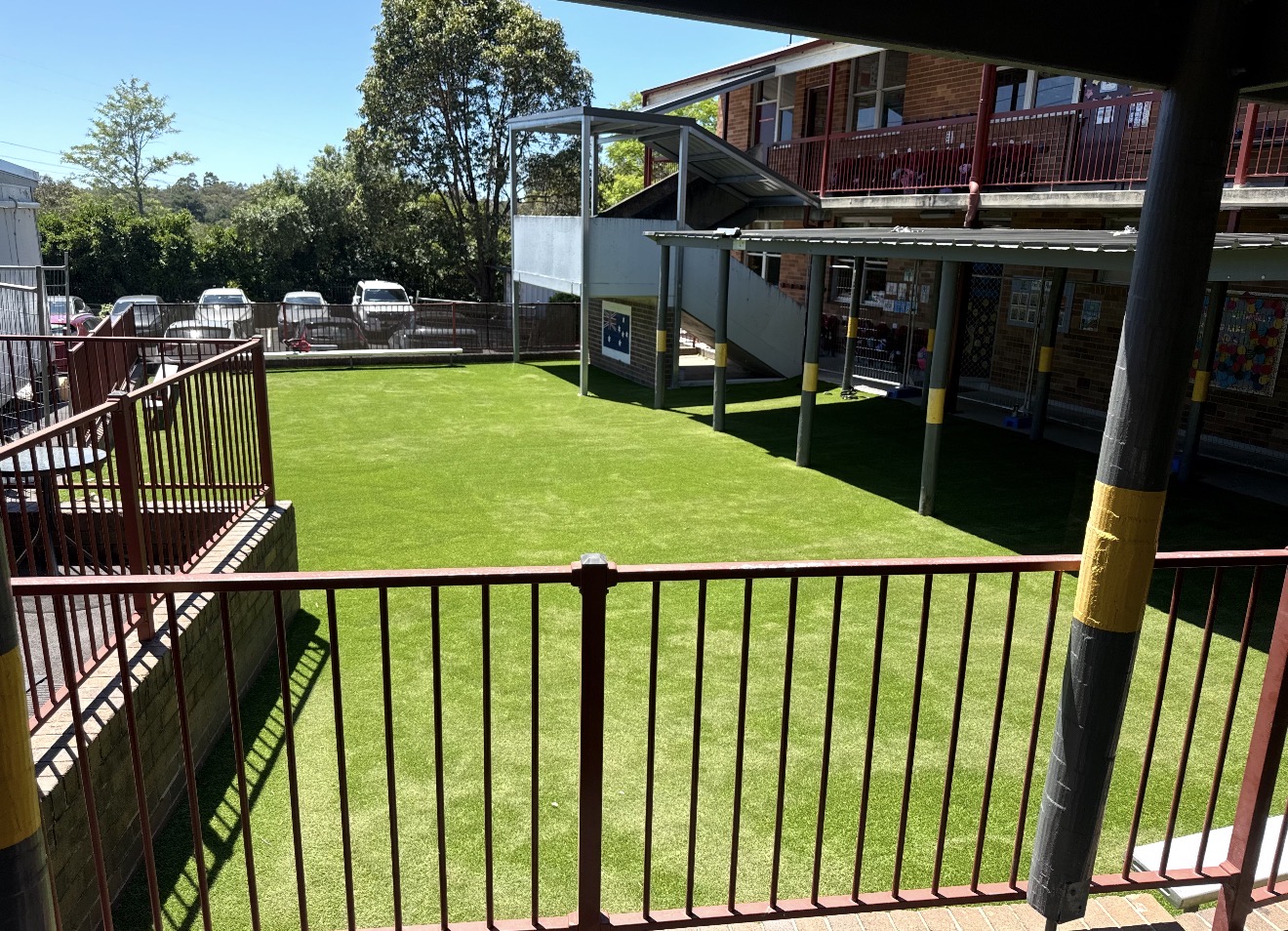
Artificial grass can be useful in yards where you want a green surface without mowing, watering or dealing with worn natural lawn. It can suit play areas, side yards, pool surrounds and other landscaped