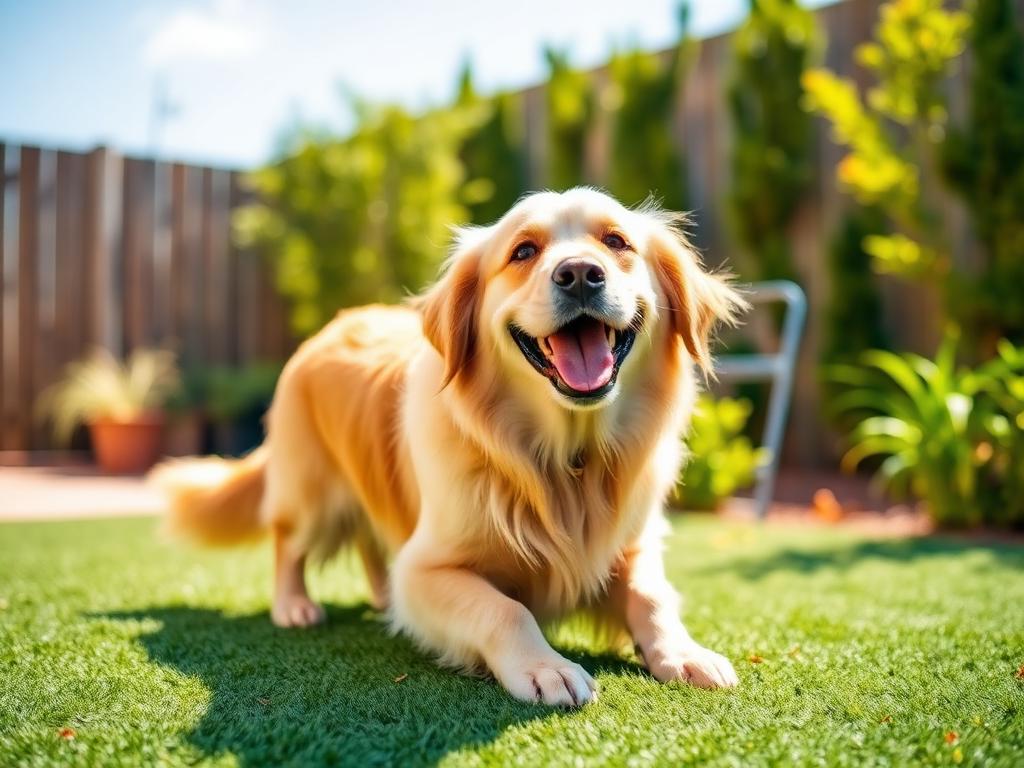
Yes, synthetic grass can be a good option for dogs when it is installed with proper drainage, a suitable base and a practical cleaning routine. For Campbelltown pet owners, it can provide a mud-free, low-maintenance yard, but heat, odour control and hygiene still need to be managed properly.
Why Dog Owners Choose Synthetic Grass
Many dog owners like artificial turf because it stays visually consistent and does not turn into mud after rain or regular use. Dogs can run, play and toilet on it without creating bare patches in the same way they might on natural lawn.
It also removes the need for mowing, fertilising and repairing worn areas caused by repeated pet traffic. This can be useful in smaller yards where dogs use the same section every day.
That said, synthetic grass is not maintenance-free. Pet areas still need regular rinsing and cleaning.
Is Synthetic Grass Safe for Dogs?
Synthetic grass can be suitable for dogs if the product is intended for residential or pet use and the installation is completed correctly.
The surface should be secure, free from sharp edges and laid over a stable base. Good drainage is especially important because urine needs somewhere to go rather than sitting beneath the turf.
If your dog regularly chews objects in the yard, monitor them after installation. Most dogs treat artificial turf like a normal lawn, but chewing or pulling at loose edges should be discouraged.
How Does Synthetic Grass Handle Dog Urine?
Dog urine can pass through permeable artificial turf, provided the turf and base underneath allow proper drainage.
This is one of the biggest differences between a well-planned pet installation and a poor one. If liquid cannot drain efficiently, odours may build up over time.
Regular rinsing helps flush urine through the system. In high-use areas, you may also need a pet-safe artificial grass cleaner or enzyme-based product designed to break down organic residue.
Does Artificial Turf Smell When You Have Dogs?
It can develop an odour if waste and urine are allowed to build up.
To reduce smells:
- Pick up solid waste promptly
- Rinse toilet areas with clean water
- Use a pet-safe cleaner when needed
- Make sure the base drains properly
- Pay extra attention to frequently used spots
For households with more than one dog, cleaning may need to be more frequent because the same area receives heavier use.
Is Synthetic Grass Easy to Clean After Dogs?
Yes, routine cleaning is generally straightforward.
Solid waste should be removed as you would from natural grass. The affected area can then be rinsed, particularly if residue remains on the fibres.
For urine, a hose rinse is often enough for day-to-day maintenance. Deeper cleaning may be needed periodically, especially in smaller enclosed yards or areas with poor airflow.
Avoid using harsh chemicals unless the turf supplier confirms they are suitable for the product and safe around pets.
Can Dogs Dig Through Artificial Turf?
Properly installed artificial turf is much harder for dogs to dig through than loose soil or natural grass.
Edges should be fixed securely so dogs cannot lift corners easily. The underlying base should also be compacted and stable.
If your dog is a persistent digger, tell the installer before work begins. High-risk edges, fence lines and corners may need extra attention.
Does Synthetic Grass Get Too Hot for Dogs?
Synthetic grass can become hot in direct sunlight, particularly during hot Campbelltown weather. Artificial turf generally heats more than natural lawn because it does not cool itself through moisture and evaporation.
Before letting your dog onto the lawn on very hot days, test the surface with your hand or bare foot. If it feels uncomfortable, provide access to shade or another cooler surface.
You can also reduce heat by:
- Adding shade with a pergola or shade sail
- Rinsing the turf briefly with water
- Choosing lighter or heat-conscious turf products
- Avoiding large exposed areas surrounded by dark paving
Heat should be considered carefully if your dog spends long periods outside.
Synthetic Grass vs Natural Lawn for Dogs
Both options have advantages.
Natural lawn generally stays cooler and provides a softer organic surface, but repeated pet use can cause worn patches, digging, mud and lawn damage.
Artificial turf is more consistent and easier to maintain visually, but it needs regular cleaning and can become hotter in direct sun.
Your decision should depend on your yard size, number of dogs, drainage, shade and how much maintenance you are prepared to do.
What Type of Synthetic Grass Is Best for Dogs?
For pet areas, look beyond appearance.
A suitable product should offer:
- Good permeability and drainage
- Durable fibres that can handle regular traffic
- Secure backing and edges
- A pile height that is easy to clean
- Compatibility with pet-safe cleaning products
The base underneath the turf matters just as much as the visible surface. Poor drainage can create hygiene and odour problems even when the turf itself is high quality.
Luxury Synthetic Grass & Rubber Surfaces can assess the yard layout, drainage and expected pet use before recommending a suitable system for a Campbelltown property.
When to Call a Professional
Professional installation is worth considering when the yard has drainage problems, uneven ground, heavy pet traffic or several dogs using one area.
A professional can prepare the base, manage falls and drainage, secure the edges and recommend a turf system suited to regular pet use. Luxury Synthetic Grass & Rubber Surfaces can also help you plan shaded and high-use areas before installation.
Conclusion
Synthetic grass can be a practical choice for dogs because it stays neat, reduces mud and handles repeated use well. The main factors to manage are drainage, cleaning, heat and odour control.
For Campbelltown dog owners, the best results come from choosing a pet-suitable product and getting the base preparation right. If you are planning a new pet-friendly lawn, Luxury Synthetic Grass & Rubber Surfaces can assess the site and recommend an option suited to your yard and dogs.
Frequently Asked Questions
Is synthetic grass safe for puppies?
Yes, properly installed artificial turf can be suitable for puppies. Keep the surface clean, secure loose edges and supervise puppies that tend to chew or dig.
Does dog urine ruin artificial grass?
Dog urine does not usually damage good-quality artificial turf, but poor drainage and infrequent cleaning can cause odours. Regular rinsing helps keep the area fresh.
How often should I clean artificial turf with dogs?
Pick up solid waste as soon as possible and rinse regularly used toilet areas often. Households with multiple dogs may need more frequent cleaning.
Can fleas live in synthetic grass?
Artificial turf does not provide the same soil and organic environment as natural lawn, but fleas can still be introduced by pets or surrounding areas. Regular pet treatment and yard hygiene remain necessary.