Drainage under artificial grass works by allowing water to pass through the turf backing into a prepared base layer before moving into the surrounding ground or drainage system. A correctly installed synthetic lawn uses perforated backing, crushed rock layers and suitable ground preparation to prevent water pooling and keep the surface usable.
For Australian homes, effective drainage is one of the most important parts of artificial grass installation. Synthetic turf does not absorb water like natural grass, so the system underneath must be designed to move rainfall, irrigation water and spills away efficiently.
Luxury Synthetic Grass helps homeowners create low-maintenance outdoor spaces with synthetic turf solutions designed for Australian conditions. Understanding how drainage works can help you make better decisions before installing artificial grass around your home, garden or entertaining area.
Why Drainage Matters Under Artificial Grass
A natural lawn absorbs some water through soil and grass roots. Artificial grass works differently because the surface is designed to remain durable and consistent without living vegetation.
Without proper drainage, water can collect underneath the turf and create issues such as:
- Pooled water after rainfall
- Muddy edges around the installation
- Unpleasant odours in pet areas
- Reduced turf performance
- Damage caused by poor ground preparation
A quality artificial grass installation focuses on the complete system, not just the visible turf layer.
The drainage performance depends on the turf backing, base materials, ground preparation and installation techniques used beneath the surface.
How Does Drainage Under Artificial Grass Work?
The process starts from the top and moves downward.
When rain falls on artificial grass, water passes through drainage holes or perforations in the turf backing. It then travels through the aggregate base layer beneath the turf before dispersing into the ground or connecting with suitable drainage solutions.
A typical synthetic grass drainage system includes several layers:
1. Artificial Grass Surface
The synthetic turf provides the visible lawn appearance and allows water to move through its backing.
Quality artificial grass products are designed with drainage channels or perforations that allow water movement.
The amount of drainage depends on the turf design, installation quality and the type of backing used.
2. Joining and Backing System
The backing supports the artificial grass fibres while allowing water to pass through.
During installation, seams and joins must be completed correctly to maintain the surface’s appearance and drainage performance.
Poorly installed joins may affect how evenly water moves through the turf.
3. Aggregate Base Layer
The base layer underneath the turf plays a major role in drainage.
Common base materials include compacted crushed rock or similar aggregates that provide stability while allowing water movement.
This layer helps create a firm foundation for the turf while reducing the risk of uneven areas developing over time.
4. Prepared Ground Surface
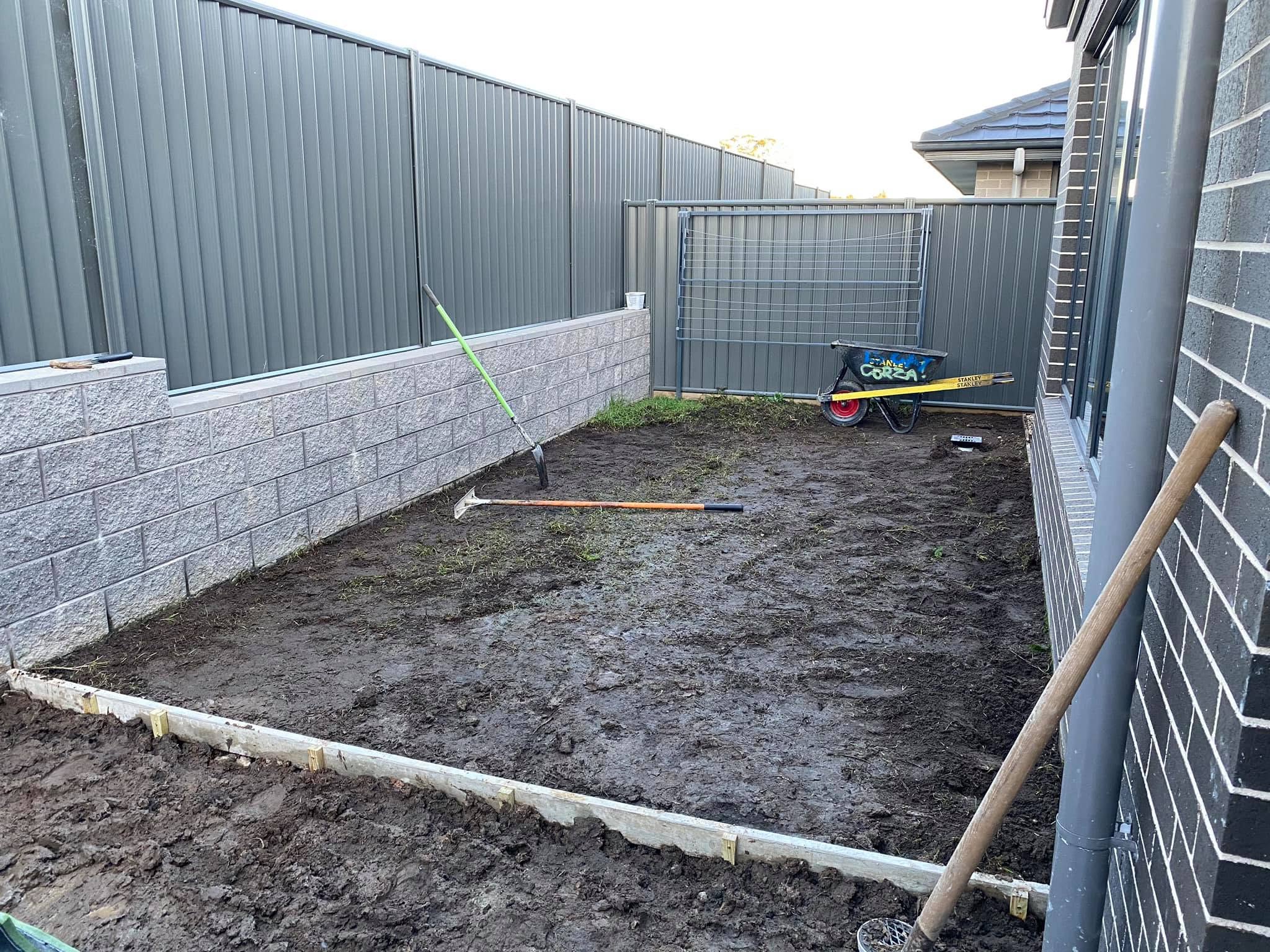
The existing ground must be prepared correctly before the base layer is installed.
This may involve removing unsuitable soil, creating appropriate levels and ensuring water can move away from the installation area.
Ground preparation is particularly important in areas where drainage has previously been a problem.
Does Artificial Grass Drain Better Than Natural Grass?
Artificial grass and natural grass manage water differently.
Natural lawns can absorb water through soil and plant roots, but heavy rainfall can still create muddy patches, especially in compacted soil areas.
Artificial grass does not absorb water, but a properly designed drainage system can allow water to move through efficiently without creating muddy surfaces.
The drainage performance depends heavily on installation quality.
A professionally prepared base with suitable materials can help synthetic turf remain practical during Australia’s changing weather conditions.
Drainage Considerations for Australian Weather Conditions
Australian climates vary significantly. Some areas experience heavy rainfall, while others face dry conditions followed by intense storms.
Artificial grass installations should consider local weather patterns.
Important factors include:
- Average rainfall levels
- Soil type
- Yard slope
- Existing drainage problems
- Surrounding landscaping
- Intended use of the area
A backyard in a high rainfall region may require different drainage planning compared with a dry inland property.
How Is Drainage Managed in Pet Areas?
Pet owners often ask about drainage because dogs and other animals use outdoor areas frequently.
Synthetic turf can be suitable for pet areas when installed correctly. However, drainage planning becomes even more important because the surface needs to handle both rainfall and regular cleaning.
For pet-friendly installations, consider:
- A suitable drainage base
- Regular cleaning routines
- Access to water for rinsing
- Quality turf designed for pet use
- Correct installation methods
A well-draining artificial lawn can make outdoor areas easier to maintain compared with natural grass that becomes muddy or damaged.
Common Drainage Problems With Artificial Grass
Most drainage problems occur because of poor preparation rather than the artificial grass itself.
Common issues include:
Poor Ground Preparation
If the ground underneath is uneven, compacted or unable to move water effectively, drainage problems may occur.
Incorrect Base Materials
The base layer needs to provide both stability and drainage. Using unsuitable materials can affect water movement.
Blocked Drainage Holes
Debris, dirt and organic material can sometimes reduce drainage performance over time.
Regular cleaning helps maintain water flow.
Incorrect Installation Levels
Artificial grass should be installed with appropriate levels and consideration for surrounding areas. Poor grading can direct water towards unwanted locations.
Can Artificial Grass Be Installed Where Drainage Is Poor?
Yes, but additional preparation may be required.
Some properties naturally have drainage challenges due to clay soils, flat areas or existing water collection points.
Possible solutions may include:
- Improving the sub-base
- Installing additional drainage channels
- Adjusting surface levels
- Connecting to existing drainage systems
A site assessment can help identify the best approach before installation begins.
How to Maintain Artificial Grass Drainage
Even a well-installed synthetic lawn benefits from basic maintenance.
To support drainage performance:
- Remove leaves and debris regularly
- Rinse areas where dirt builds up
- Brush fibres to maintain appearance
- Check edges and joins periodically
- Address standing water quickly
Pet owners may need additional cleaning routines to keep the surface fresh and hygienic.
Maintenance requirements depend on how the area is used and the surrounding environment.
Choosing the Right Artificial Grass Installer
The visible turf is only one part of an artificial lawn installation.
A professional installer should assess the property, prepare the ground correctly and recommend suitable drainage solutions based on the site conditions.
Luxury Synthetic Grass provides artificial grass solutions designed around Australian homes, including consideration of drainage, durability and everyday use.
A properly installed synthetic lawn should look natural while providing a practical outdoor surface.
When to Call a Professional
If you are planning an artificial grass installation or experiencing drainage issues with an existing synthetic lawn, professional advice can help identify the cause and suitable solution.
A specialist can assess soil conditions, surface levels, drainage requirements and the intended use of the area before recommending the right approach.
Luxury Synthetic Grass can help Australian homeowners design and install synthetic turf systems with suitable drainage preparation for long-term performance.
Conclusion
Understanding drainage under artificial grass helps homeowners make informed decisions when installing synthetic turf. The turf surface, backing, aggregate base and ground preparation all work together to move water away effectively.
A well-designed drainage system can help prevent pooling, improve usability and keep your artificial lawn looking better for longer.
If you are considering synthetic grass for your home, Luxury Synthetic Grass can help create a durable and practical outdoor space designed for Australian conditions.
FAQs
Does artificial grass need drainage?
Yes. Artificial grass needs a suitable drainage system to allow rainwater, cleaning water and other liquids to pass through the surface and away from the installation area.
Does water sit underneath artificial grass?
A correctly installed synthetic lawn should not hold water underneath. Proper base preparation and drainage materials allow water to move through the system.
Is artificial grass suitable for rainy areas in Australia?
Yes. Artificial grass can perform well in rainy areas when the installation includes appropriate drainage planning and ground preparation.
How long does artificial grass drainage last?
The drainage performance depends on installation quality, materials used, environmental conditions and ongoing maintenance. A correctly installed system can provide long-term performance.