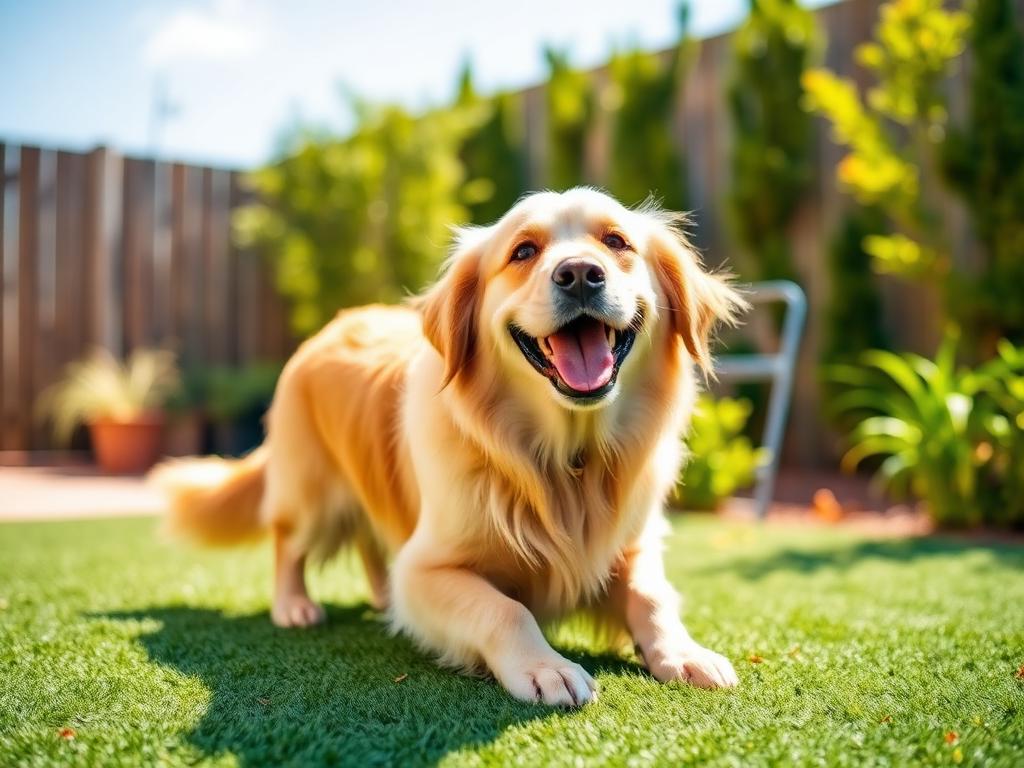
Synthetic turf for dogs and other pets can be a practical outdoor solution when it is installed correctly and maintained regularly. Pet-friendly artificial grass provides a durable surface that avoids muddy patches, reduces lawn damage and can be designed with drainage systems to manage cleaning and pet waste.
Many Australian pet owners want a backyard that looks tidy while still providing a safe space for their animals. Natural grass can become worn, muddy or difficult to maintain, especially in areas where dogs regularly run, dig or use the lawn.
Synthetic turf offers an alternative that stays green throughout the year without the mowing, watering and repair work often associated with natural lawns. Luxury Synthetic Grass helps Australian homeowners create functional outdoor spaces with artificial grass solutions designed for everyday family and pet use.
Why Do Pet Owners Choose Synthetic Turf?
Dogs and other pets can place significant pressure on natural lawns. High-traffic areas often develop bare patches, muddy sections and uneven surfaces over time.
Artificial grass provides a consistent surface that can handle regular activity without the same level of damage.
Pet owners often choose synthetic turf because it can offer:
- A clean outdoor area for pets
- Reduced mud tracked into the home
- No mowing or lawn repair requirements
- A durable surface for play
- A consistent appearance throughout the year
However, choosing the right turf and ensuring correct installation are important factors for long-term results.
Is Synthetic Turf Safe for Dogs and Other Pets?
Yes, synthetic turf can be suitable for dogs and other pets when the correct product and installation methods are used.
Pet-friendly artificial grass is designed with features that support regular use, including durable fibres, effective drainage and surfaces that are comfortable for animals.
When selecting synthetic turf for pets, consider:
- Drainage performance
- Material quality
- Surface temperature
- Cleaning requirements
- Installation base preparation
The turf itself is only one part of the system. The preparation underneath plays an important role in creating a practical pet-friendly area.
How Does Synthetic Turf Handle Pet Waste?
One of the biggest concerns for pet owners is managing urine and waste on artificial grass.
A correctly installed synthetic lawn allows liquids to drain through the turf backing into the prepared base underneath. This helps prevent water pooling and makes cleaning easier.
For dog owners, good drainage is particularly important because urine needs to move away from the surface rather than collect beneath the turf.
Regular cleaning also helps maintain hygiene and freshness.
Simple maintenance may include:
- Removing solid waste promptly
- Rinsing areas used frequently by pets
- Using pet-safe cleaning products when required
- Removing leaves and debris
The cleaning routine depends on the number of pets using the area and how frequently the turf is used.
Why Drainage Matters for Pet-Friendly Artificial Grass
Drainage is one of the most important considerations when installing synthetic turf for dogs and other pets.
Without suitable drainage, moisture and odours can become a concern.
A quality installation usually includes:
- A properly prepared ground surface
- A suitable aggregate base layer
- Artificial grass with drainage perforations
- Correct installation techniques
This system allows water and cleaning solutions to move through the turf rather than remaining on the surface.
Homes with multiple pets or heavily used outdoor areas may require additional drainage planning.
Can Dogs Dig Through Artificial Grass?
Many dogs naturally dig, especially when they are bored or trying to explore.
While artificial grass is durable, no lawn surface is completely resistant to determined digging behaviour.
A properly installed synthetic lawn with a secure base can reduce the likelihood of damage. Edge securing and correct installation methods help keep the turf stable.
Pet owners can also reduce digging behaviour by providing enrichment, exercise and suitable areas for natural behaviours.
Does Synthetic Turf Smell With Dogs?
Artificial grass itself does not create odours, but poor cleaning routines or inadequate drainage can contribute to unpleasant smells.
Pet odours usually come from trapped organic matter, urine buildup or insufficient water movement beneath the turf.
To keep synthetic turf fresh:
- Remove waste regularly
- Rinse pet areas with water
- Use suitable turf cleaning solutions
- Maintain drainage pathways
- Keep surrounding areas clean
A well-maintained pet turf area can remain comfortable for both pets and homeowners.
Is Artificial Grass Better Than Natural Grass for Dogs?
The choice between artificial and natural grass depends on your lifestyle, property and pet needs.
Natural grass provides a living surface that some pets enjoy, but it requires regular care and can become damaged from frequent use.
Synthetic turf can be useful for homeowners who want a low-maintenance lawn that remains visually consistent.
A comparison can help:
| Feature | Synthetic Turf | Natural Grass |
|---|---|---|
| Mowing | Not required | Regular mowing needed |
| Mud | Minimal when installed correctly | Can become muddy |
| Appearance | Consistent throughout the year | Changes with conditions |
| Maintenance | Cleaning and brushing | Watering, mowing and fertilising |
| Pet traffic | Designed for durability | Can wear quickly |
The right option depends on how your outdoor area is used.
Choosing the Right Synthetic Turf for Pets
Not all artificial grass products are designed for the same purpose.
For pet areas, look for features such as:
Strong Turf Fibres
Pets run, play and move across the surface regularly. Durable fibres can help the lawn maintain its appearance.
Effective Drainage
Good drainage supports easier cleaning and helps manage moisture.
Comfortable Surface
The turf should provide a suitable surface for pets to walk and play on.
Suitable Installation Base
The foundation underneath affects stability, drainage and long-term performance.
Luxury Synthetic Grass can help homeowners choose artificial grass options that suit their outdoor space and intended use.
Can Synthetic Turf Be Used Around Other Pets?
Synthetic turf is not only used for dogs.
It can also be suitable for areas used by other pets, depending on the animal and installation requirements.
For example, homeowners may use artificial grass in areas where cats, rabbits or other domestic animals spend time outdoors.
Consider the specific needs of your pets, including safety, cleaning requirements and access to shade or shelter.
Keeping Synthetic Turf Comfortable During Australian Weather
Australian summers can bring high temperatures, particularly in areas exposed to direct sunlight.
Pet owners should consider where the turf will be installed and how pets use the area.
Providing shaded areas, access to water and limiting extended exposure during very hot conditions can help keep pets comfortable.
Some artificial grass products are designed with features intended to reduce heat absorption, but all outdoor surfaces can become warm under strong sunlight.
Professional Installation Makes a Difference
A pet-friendly artificial lawn depends on more than selecting the right turf.
Professional installation helps ensure:
- Correct ground preparation
- Suitable drainage
- Secure edges
- Even surface levels
- Long-term durability
Poor preparation can lead to uneven surfaces, drainage issues and maintenance problems.
Luxury Synthetic Grass installs artificial turf solutions designed for Australian homes, including outdoor areas used by pets and families.
When to Call a Professional
If you are unsure whether artificial grass is suitable for your pets or need advice about installation requirements, speaking with a specialist can help.
A professional can assess your outdoor area, discuss drainage needs and recommend suitable turf options based on how your pets use the space.
Luxury Synthetic Grass can help Australian homeowners create practical, low-maintenance outdoor areas with synthetic turf designed for everyday living.
Conclusion
Synthetic turf for dogs and other pets can provide a durable and convenient outdoor solution when the right product, drainage system and installation methods are used.
Pet-friendly artificial grass can reduce mud, minimise lawn damage and create a consistent outdoor area for your family and pets.
Regular cleaning and proper maintenance help keep synthetic turf fresh and comfortable over time.
If you are considering artificial grass for a pet-friendly backyard, Luxury Synthetic Grass can help you choose a solution suited to your home and lifestyle.
FAQs
Is synthetic turf safe for dogs?
Yes, synthetic turf can be suitable for dogs when it is made from appropriate materials, installed correctly and maintained regularly.
How do you clean artificial grass used by dogs?
Remove waste promptly, rinse high-use areas with water and use suitable pet-safe cleaning products when needed.
Does artificial grass smell with pets?
It can develop odours if waste, moisture or bacteria build up. Proper drainage and regular cleaning help prevent this issue.
Can dogs damage synthetic turf?
Dogs can damage any outdoor surface if they dig or misuse the area. Quality installation and appropriate pet management can help protect synthetic turf.