
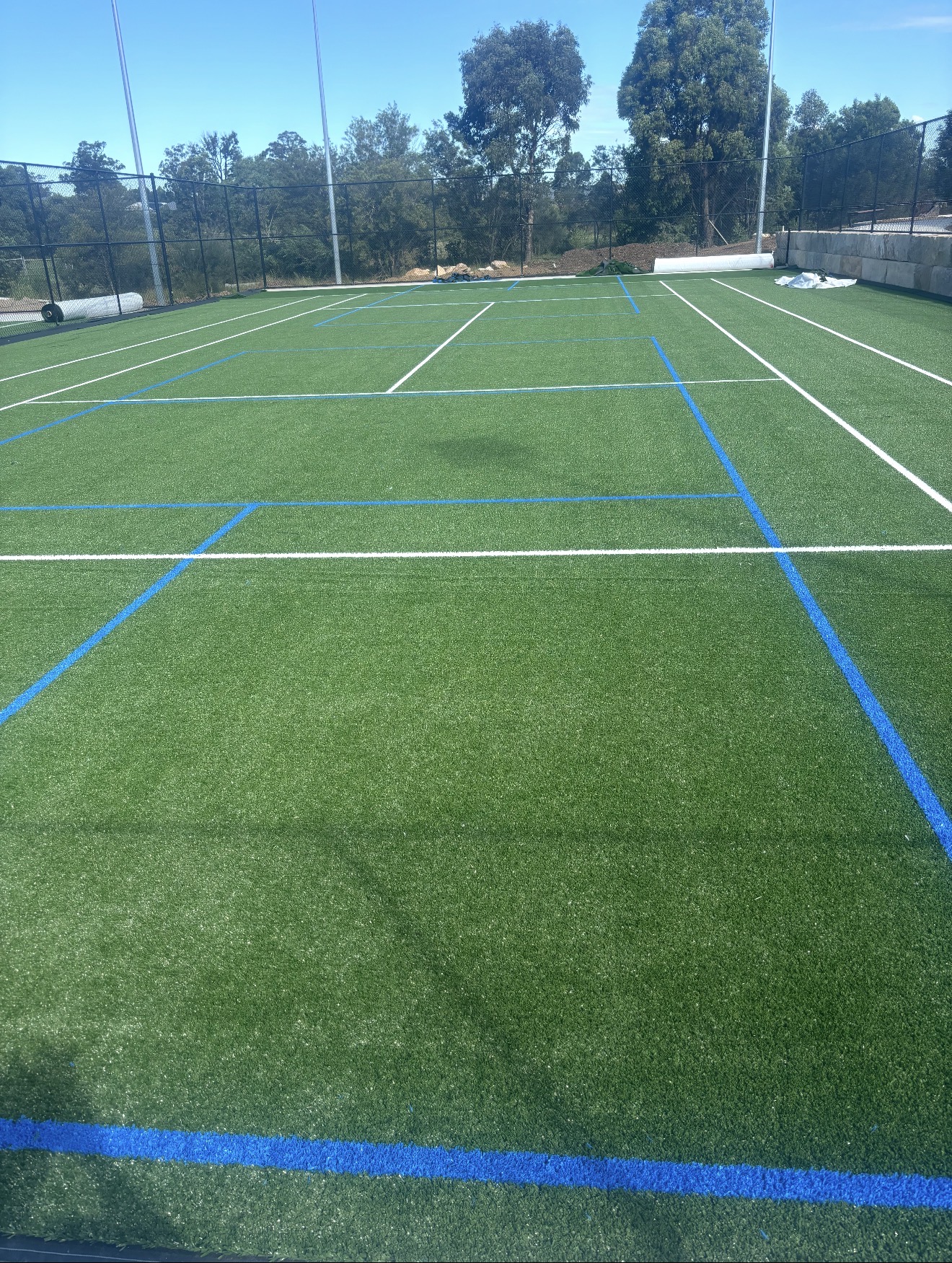
To keep artificial grass cooler in summer, focus on choosing suitable turf products, adding shade, improving airflow, rinsing the surface with water when needed and maintaining the area regularly. While synthetic grass can become warm under direct sunlight, smart planning can help create a more comfortable outdoor space during hot Australian weather.
Artificial grass provides many benefits for Australian homeowners, including reduced watering, no mowing and a consistent green appearance. However, during periods of intense heat, homeowners often ask how to manage surface temperatures, especially in backyards used by children, pets and families.
Luxury Synthetic Grass helps homeowners choose and install synthetic turf solutions designed for Australian conditions. Understanding what influences turf temperature can help you create an outdoor area that remains enjoyable throughout the year.
Why Does Artificial Grass Get Hot?
Artificial grass can absorb heat when exposed to direct sunlight for extended periods. Unlike natural grass, synthetic turf does not cool itself through moisture evaporation from living plants.
The amount of heat a synthetic lawn retains can depend on several factors, including:
- Direct sunlight exposure
- Turf colour and fibre design
- Installation location
- Surrounding surfaces such as concrete or paving
- Air movement around the area
- Local climate conditions
This does not mean artificial grass cannot be used in warm Australian climates. It means the installation design and surrounding environment should be considered.
Choose Artificial Grass Designed for Comfort
One of the first steps to keep artificial grass cooler in summer is selecting a suitable turf product.
Different synthetic grass products have different fibre structures, colours and materials. Some designs are created with features that may help reduce heat absorption compared with darker or denser options.
When choosing artificial grass, consider:
- Fibre colour and appearance
- Turf density
- Material composition
- Intended use of the area
- Exposure to direct sunlight
A professional installer can help you compare options based on your property’s conditions.
Add Shade to Reduce Direct Sun Exposure
Shade is one of the most effective ways to reduce surface temperatures.
A shaded section of artificial grass will generally remain more comfortable than turf exposed to direct afternoon sunlight.
Shade options may include:
- Shade sails
- Pergolas
- Outdoor umbrellas
- Trees and landscaping
- Covered entertaining areas
Adding shade can also improve the overall usability of your outdoor space by creating a more comfortable area for relaxing, entertaining and spending time with family.
Use Landscaping Around Your Synthetic Lawn
The surrounding environment can influence how warm your artificial grass becomes.
Hard surfaces such as concrete, paving and dark outdoor materials can absorb and radiate heat. Incorporating plants and landscaping around your synthetic lawn can help create a more balanced outdoor area.
Consider adding:
- Garden beds
- Trees
- Shrubs
- Natural screening
- Green spaces around paved areas
Good landscaping design can improve the look of your yard while helping create more comfortable outdoor zones.
Rinse Artificial Grass With Water When Needed
A simple way to temporarily reduce surface temperature is lightly rinsing the turf with water.
Water absorbs heat from the surface and can provide short-term cooling, particularly before using the area during very warm conditions.
This can be useful for:
- Outdoor entertaining areas
- Pet areas
- Play spaces
- High-use sections of the lawn
The cooling effect is temporary, so it works best as part of a broader approach that includes shade, suitable turf selection and good landscaping.
Maintain Your Artificial Grass Regularly
Maintenance does not only improve appearance. It can also help your synthetic lawn perform better.
Regular care includes:
- Removing leaves and debris
- Brushing fibres to maintain their position
- Cleaning surface buildup
- Checking drainage areas
Dirt and debris can affect the way your turf looks and may reduce airflow through the fibres.
A clean and well-maintained lawn is easier to manage during periods of high temperatures.
Consider Turf Placement Before Installation
Where you install artificial grass can have a major impact on how warm it feels.
A backyard section receiving full western afternoon sun will typically experience more heat than an area with morning shade.
Before installation, consider:
- Sun direction throughout the day
- Nearby buildings
- Existing trees
- Wind movement
- How the space will be used
For example, a family entertaining area may benefit from placement near shade, while a decorative lawn area may have different requirements.
Good planning before installation can improve long-term comfort.
Does Artificial Grass Stay Hoter Than Natural Grass?
Artificial grass and natural grass manage heat differently.
Natural grass can feel cooler because plants release moisture through a process called evapotranspiration. However, natural lawns also require regular watering, mowing and maintenance.
Artificial grass does not require the same ongoing care but can become warmer when exposed to direct sunlight.
The choice depends on your priorities, including maintenance, appearance, water use and how you use your outdoor space.
Pet-Friendly Artificial Grass and Summer Comfort
Many Australian homeowners install synthetic turf for pets. During summer, consider how your pets use the lawn.
Dogs and other animals may be more sensitive to hot surfaces, particularly during extreme heat.
Helpful steps include:
- Providing shaded areas
- Checking turf temperature before extended use
- Keeping fresh water available
- Encouraging pets to use cooler areas during peak heat
A well-planned outdoor area should consider both the needs of people and pets.
Does Artificial Grass Need More Care During Hot Weather?
Artificial grass does not require summer watering like natural lawns, but some care can improve comfort and appearance.
During hot periods:
- Check areas with strong sun exposure
- Remove debris that may hold heat
- Rinse the surface when required
- Monitor high-use areas
The amount of maintenance needed depends on the location, turf type and how frequently the area is used.
Australian Climate Considerations for Synthetic Turf
Australia has many different climates, from humid coastal regions to dry inland areas.
A synthetic lawn installation should consider local conditions such as:
- Heat levels
- Rainfall patterns
- Wind exposure
- Soil conditions
- Outdoor usage
A suitable installation approach for a coastal Queensland property may differ from a dry inland location.
Professional assessment helps ensure the turf system is appropriate for the environment.
Why Professional Installation Helps With Heat Management
The way artificial grass is installed affects how it performs.
A professional installer can help with:
- Selecting suitable turf products
- Preparing the base correctly
- Considering drainage requirements
- Planning the layout around sun exposure
- Creating a practical outdoor design
Luxury Synthetic Grass works with Australian homeowners to design synthetic turf areas that suit their lifestyle, property and local conditions.
When to Call a Professional
If you are unsure how to keep artificial grass cooler in summer or are planning a new synthetic turf installation, professional advice can help you choose suitable options.
A specialist can assess your yard, discuss sunlight exposure and recommend turf solutions based on how your outdoor area will be used.
Luxury Synthetic Grass can help create comfortable and practical artificial grass spaces for Australian homes.
Conclusion
Learning how to keep artificial grass cooler in summer involves more than choosing the right turf. Shade, landscaping, maintenance and installation planning all influence how comfortable your outdoor area feels.
Artificial grass can be a practical option for Australian homes when it is selected and installed correctly. By considering sunlight, airflow and how your space will be used, you can create a more enjoyable backyard.
If you are planning synthetic turf for your property, Luxury Synthetic Grass can help you choose a solution designed around your outdoor needs.
FAQs
Does artificial grass get too hot in Australian summers?
Artificial grass can become warm under direct sunlight, especially during extreme heat. Shade, turf selection and landscaping can help improve comfort.
How can I cool artificial grass quickly?
Lightly rinsing the surface with water can temporarily reduce heat. Adding shade and choosing suitable turf provide longer-term solutions.
Is there artificial grass that stays cooler?
Some synthetic turf products are designed with features that may reduce heat absorption. A professional installer can help compare suitable options.
Is artificial grass safe for children and pets in summer?
Yes, but surfaces should be checked during extreme heat. Providing shade and avoiding extended use during peak temperatures can improve comfort.