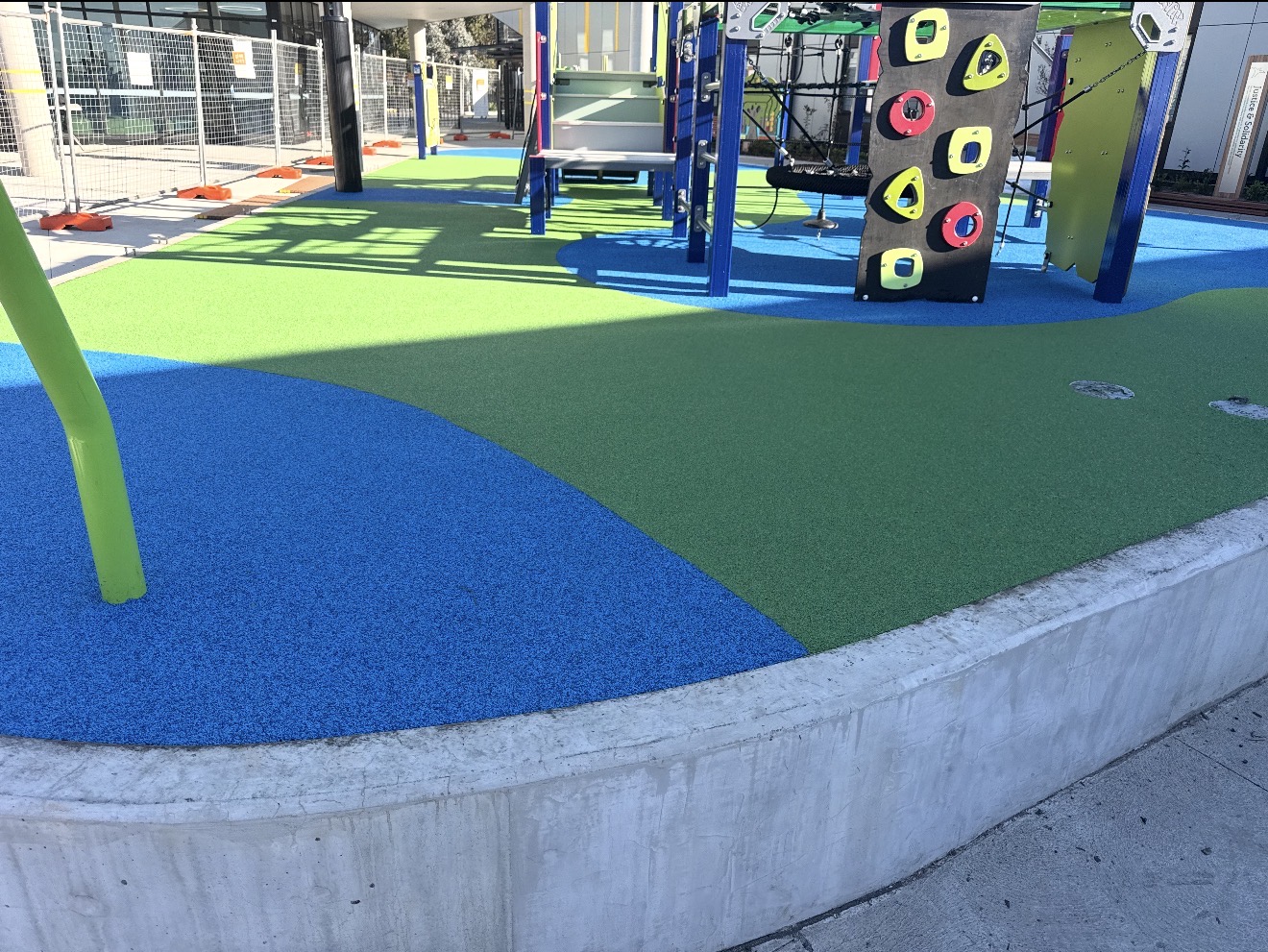
Yes, synthetic grass can get hot in summer, especially after several hours of direct sunlight. In Campbelltown, exposed artificial turf may feel much hotter than natural lawn because it cannot cool itself through moisture and evaporation. Shade, airflow, turf colour, infill and nearby hard surfaces all affect how hot it becomes.
This does not automatically make artificial turf unsuitable. It means heat should be considered before installation, particularly if children, pets or barefoot users will spend time on the lawn.
Why Does Synthetic Grass Get Hot?
Artificial turf fibres absorb solar radiation. Natural grass contains moisture and cools through evapotranspiration, while artificial turf has no comparable natural cooling process.
A NSW Chief Scientist review found that on days when air temperatures reach the mid-30s, synthetic turf surfaces can be up to 38°C hotter than natural turf. A 2025 Melbourne study recorded a daytime mean artificial turf surface temperature of 49.9°C, compared with 31.7°C for unirrigated natural turf.
Actual temperatures vary widely. An open backyard with full afternoon sun can behave very differently from a shaded courtyard with good airflow.
How Hot Can Artificial Turf Get in Campbelltown?
There is no single temperature that applies to every lawn. Surface heat depends on direct sun, air temperature, wind, moisture, fibre colour, pile density, infill and surrounding surfaces.
Western Sydney research has reported artificial turf temperatures above 70°C in some Australian conditions. That is why air temperature alone is not a reliable guide to how the lawn will feel.
If children or pets use the area, test the surface with your hand or bare foot first. If it feels uncomfortable to you, give them access to a cooler area until it cools.
Artificial Turf vs Natural Grass in Hot Weather
Natural lawn generally stays cooler because moisture in the soil and grass blades helps release heat. Artificial turf usually warms faster in direct sun and may stay warm while the base and nearby paving release stored heat.
The trade-off is maintenance. Natural lawn needs mowing, watering and regular care. Artificial turf reduces much of that work, so homeowners need to balance heat, water use, upkeep and how the space will be used.
A decorative front lawn has different comfort requirements from a backyard play area used every afternoon.
What Makes Artificial Turf Hotter?
Several conditions can increase surface temperature:
- Full sun for long periods
- Darker or dense turf fibres
- Concrete, pavers or brick walls that store heat
- Reflective glass or metal surfaces
- Limited airflow in enclosed areas
- Large open areas with little shade
Product choice matters, but site design matters too. Choosing turf only by colour or pile height can overlook how the area performs during hot weather.
How to Keep Artificial Turf Cooler
A few practical steps can make the lawn more comfortable:
- Create shade. A shade sail, pergola or suitable planting can reduce direct solar exposure.
- Use water for short-term cooling. A light hose-down can lower the surface temperature temporarily.
- Ask about heat-conscious products. Some turf fibres and infills are designed to absorb less heat or improve cooling.
- Improve airflow where possible. Less enclosed layouts can help trapped heat disperse.
- Consider nearby materials. Dark paving and reflective surfaces can add to heat around the lawn.
Shade is one of the most reliable ways to reduce direct heating. Water can help quickly, but the effect is temporary.
Is Artificial Turf Safe for Kids and Pets?
It can be, provided the surface and site suit the intended use. The main heat-related risk is direct contact when the turf has been sitting in strong sun.
For family yards, include shaded zones and check the surface before play on very hot days. Pets should also have water and access to a cooler surface.
For playground applications, additional standards may apply. AS 4685.0:2017 covers playground development, installation, inspection, maintenance and operation, while AS 4422:2022 covers playground surfacing specifications and testing.
Choosing Turf for a Campbelltown Property
Start with the site, not appearance alone. Look at where the sun falls, whether walls or paving reflect heat, who will use the area and whether people will regularly walk on it barefoot.
Luxury Synthetic Grass & Rubber Surfaces can assess these conditions before recommending a turf system. Proper planning should also consider drainage, base preparation, joins, edges and infill.
If heat is a major concern, compare samples in direct sunlight before deciding. This can give you a clearer idea of how different products feel in real conditions.
When to Call a Professional
Call a professional when the area receives heavy sun, drainage or levels need correction, or the lawn will be used regularly by children or pets. Professional installation can also help prevent uneven bases, lifting edges, poor joins and drainage issues.
For Campbelltown properties, Luxury Synthetic Grass & Rubber Surfaces can assess sun exposure, site conditions and intended use before recommending a suitable option.
Conclusion
Artificial turf can become much hotter than natural lawn in direct summer sun, but shade, airflow, product choice and surrounding materials all affect the final temperature. Planning these factors before installation can improve comfort.
If you are considering artificial turf in Campbelltown, choose for the way the space will actually be used, not appearance alone. Consider how much direct sun the area receives and whether children, pets or barefoot users will regularly use the surface.
Frequently Asked Questions
Is artificial grass hotter than real grass?
Yes. Artificial grass usually becomes hotter in direct sun because it lacks the evaporative cooling of living grass. The difference depends on weather, shade and the type of turf installed.
How do you cool artificial grass on a hot day?
A light hose-down can cool the surface temporarily. Adding shade provides a longer-lasting reduction because it limits direct solar exposure.
Can dogs walk on artificial grass when it is hot?
Yes, but check the surface first. If it feels too hot for your hand or bare foot, let your dog use a cooler shaded area until the turf cools.
Does artificial grass stay hot after sunset?
It starts cooling once direct sunlight drops, but warm paving, the base beneath the turf and limited airflow can keep the area warm for some time.