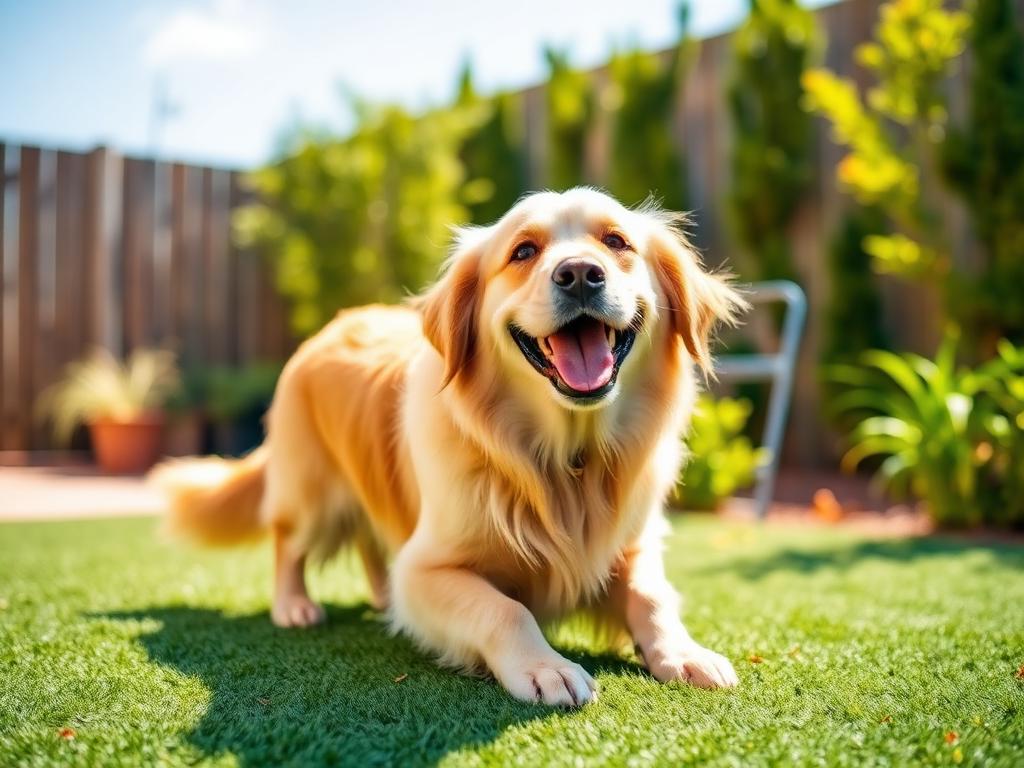
Artificial turf can suit households with dogs when the product, installation and maintenance meet their needs. However, it is not risk-free. If you’re asking, “Is artificial grass safe for dogs?”, check surface heat, drainage, cleaning requirements and whether your dog digs or chews before choosing your lawn.
For Camden homeowners, the decision involves more than finding a surface that looks tidy. Your dog needs comfortable places to rest, safe access outdoors and a toilet area you can keep clean.
What Makes Artificial Grass Safe for Dogs?
A suitable lawn starts with the complete installation, including the turf, backing, infill, base and secured edges. A product described as pet-friendly still needs appropriate installation and ongoing care.
Tell your installer how your dog uses the yard. A small dog that occasionally visits the lawn creates different demands from several large dogs using a narrow toilet strip every day.
Ask Luxury Synthetic Grass & Rubber Surface about product specifications, drainage and care requirements for your Camden property. Request information about the exact materials proposed, rather than relying solely on a pet-friendly label.
Heat Is a Key Safety Consideration
Artificial turf can become dangerously hot in direct sunlight. Veterinary guidance identifies artificial turf among the surfaces that can burn dogs’ paws, so the air temperature alone does not tell you whether the lawn is comfortable.
Before letting your dog outside, check the surface, including sunny patches beyond the back door. If it feels hot, keep your dog off it and provide access to a cooler area.
Plan shade where your dog rests and moves through the yard. A shaded bed, fresh drinking water and access indoors give your pet alternatives when the lawn becomes uncomfortable.
Do not assume a quick rinse will keep the surface cool for hours. Conditions can change, so reassess it before use. RSPCA Australia recommends avoiding hot surfaces and providing a cool, shaded area with good ventilation.
Check the Materials Before You Buy
The question “Is artificial grass safe for dogs?” cannot be answered from colour or softness alone. Ask what the fibres, backing and infill contain, and request relevant product safety documentation.
Check that any test report applies to the product you are buying and explains what was tested. A broad claim such as “non-toxic” does not establish that every component is suitable for every exposure.
Ask whether the installation includes loose infill and how accessible it will be to your dog. If your pet regularly eats stones, fabric or garden materials, discuss that behaviour with your vet before changing the surface.
A display sample can help you assess texture and construction. It cannot establish how hot the installed lawn will become or whether your dog will chew it.
Drainage Matters for Toilet Areas
Dogs can use suitable artificial lawns as toilet areas, but waste does not disappear by itself. Liquids must pass through the surface and drain away through the installation beneath it.
Ask how the proposed base will manage regular urine and cleaning water. An absorbent or poorly draining layer can complicate odour control even when the top looks clean.
For a Camden side passage used as a dog run, explain the expected frequency of use before work begins. A confined toilet area may need more frequent cleaning than a larger lawn used occasionally.
Recurring puddles or persistent smells deserve investigation. Adding fragrance may disguise an odour without addressing trapped waste or drainage problems.
Follow a Practical Cleaning Routine
Keeping the surface clean is part of making artificial grass safe for dogs in everyday use. Follow the turf manufacturer’s instructions and the cleaning product label, including dilution and re-entry directions.
Use this routine as a starting point:
- Remove solid waste promptly. Pick it up carefully without pushing it into the fibres.
- Rinse affected areas as directed. Adjust cleaning frequency to use, weather and drainage.
- Use a compatible cleaner when needed. Choose one suitable for the turf and intended pet area.
- Keep your dog away during treatment. Follow the label before allowing access again.
- Inspect the lawn while cleaning. Look for loose edges, damaged joins and exposed materials.
Avoid mixing cleaning chemicals or using strong household products without approval. A cleaner suitable for one surface may damage another or require precautions around animals.
What About Digging, Chewing and Skin Irritation?
Secure edges help prevent dogs from accessing the backing or base. However, installation alone will not stop a determined chewer or solve persistent digging behaviour.
Provide supervised introductions and suitable enrichment, including toys and an approved digging area if appropriate. Repair loose sections before your dog pulls them apart.
If your dog swallows turf, backing or infill, contact your vet for advice. Do not assume an item will pass safely because the product is marketed for pets.
Watch for paw licking, redness or discomfort after outdoor use. Heat, friction, cleaning residue and unrelated allergies are possible explanations, so a vet should assess persistent symptoms.
Frequently Asked Questions
Can dogs wee on artificial grass?
Yes, where the system is suitable for pet use. Drainage and regular cleaning remain necessary to manage waste and odour.
Does artificial turf get too hot for dogs?
It can become too hot in direct sun. Check the surface before access and provide a cooler alternative.
Will artificial grass stop my dog’s allergies?
There is no guarantee. Dogs can react to several substances, and replacing a lawn does not identify or treat an allergy.
What if my dog eats artificial turf?
Contact your vet for advice, particularly if pieces are missing or your dog develops symptoms. Prevent further access to damaged sections.
When to Call a Professional
Request an inspection for loose edges, failed joins, persistent odour or recurring drainage problems. For burns, suspected ingestion or ongoing skin irritation, contact your vet.
Speak with Luxury Synthetic Grass & Rubber Surface about your Camden yard, your dog’s habits and the proposed installation before choosing a product.
Conclusion
Making artificial grass safe for dogs depends on suitable materials, sound installation and regular care. Heat checks, shade and prompt waste removal remain essential.
Contact Luxury Synthetic Grass & Rubber Surface to discuss a lawn that suits your property and your pet’s daily routine.