Can artificial grass be laid on concrete? Yes. Artificial grass can be installed over an existing concrete surface if the slab is structurally sound, reasonably level and able to drain water correctly. In Camden, concrete courtyards, balconies, paths and paved outdoor areas can often be converted into softer synthetic grass spaces without removing the entire slab.
The condition of the concrete matters just as much as the artificial turf itself. Cracks, low spots, poor drainage and uneven sections should be checked before installation because covering them with synthetic grass will not make the underlying problems disappear.
With suitable preparation, artificial turf can provide a practical way to update hard outdoor areas while avoiding excavation that may not be necessary.
Can Artificial Grass Be Laid on Concrete Safely?
In many residential situations, can artificial grass be laid on concrete without major structural changes? Yes, provided the existing concrete is suitable.
The concrete should be stable enough to support the turf and should not have major movement, crumbling sections or severe level differences. Minor imperfections may sometimes be repaired, but badly damaged slabs should be assessed before anything is installed over them.
The surface also needs to allow rainwater and cleaning water to escape. This is particularly important around homes, walls, doors and enclosed courtyards.
Before installation, check:
- Whether the concrete is cracked or breaking apart
- Whether water currently pools after rain
- Where existing drains are located
- Which direction the surface slopes
- Whether door clearances will be affected
- Whether the area receives regular pet use
- Whether the concrete contains sharp or raised sections
These checks can prevent problems once the synthetic turf is fixed into position.
Why Install Artificial Grass Over Concrete?
Concrete can be durable, but it may not create the type of outdoor area you want for relaxing, playing or entertaining.
Artificial grass can change the appearance and feel of an existing hard surface without requiring a completely new landscaping layout.
Common areas where synthetic turf may be installed over concrete include:
- Courtyards
- Patios
- Poolside areas
- Concrete paths
- Small backyards
- Apartment outdoor areas
- Children’s play spaces
Installing turf over existing concrete can also avoid removing and disposing of a slab that is still in good condition.
However, the finished result depends heavily on preparation. Artificial grass should not simply be rolled out and fixed over whatever surface is already there.
Does Concrete Need to Be Prepared First?
Yes. Surface preparation is an important part of artificial turf installation on concrete.
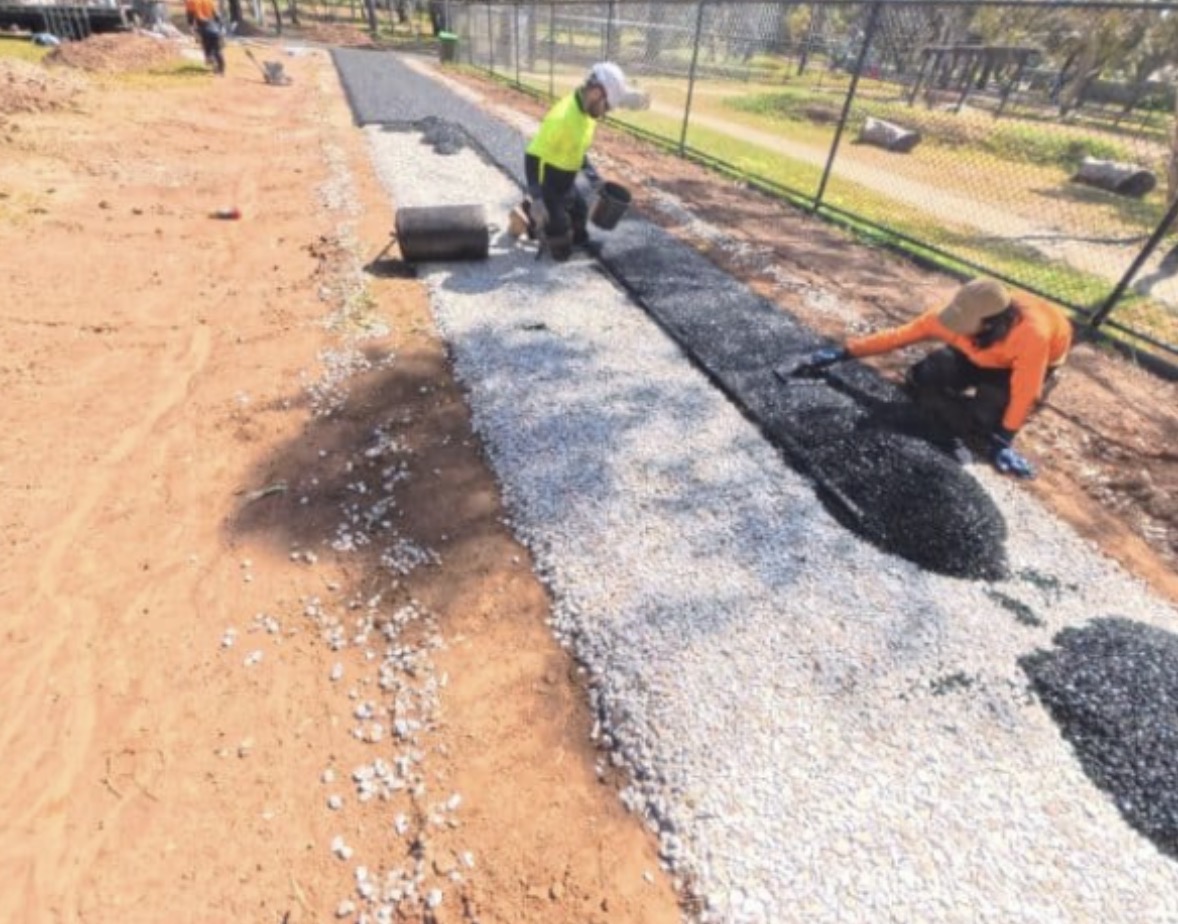
The concrete should first be cleaned so dirt, loose material and organic growth do not remain underneath the turf. Grease, heavy contamination or loose coatings may also interfere with adhesives or other fixing methods.
Raised edges or sharp sections may need attention because they could eventually become visible through the turf or damage its backing.
Cracks should also be inspected. A small stable crack may not create a major issue, but extensive cracking can indicate movement in the slab.
Luxury Synthetic Grass assesses existing surfaces before installing artificial turf in Camden so issues such as levels, surface condition and drainage can be addressed before the turf is