
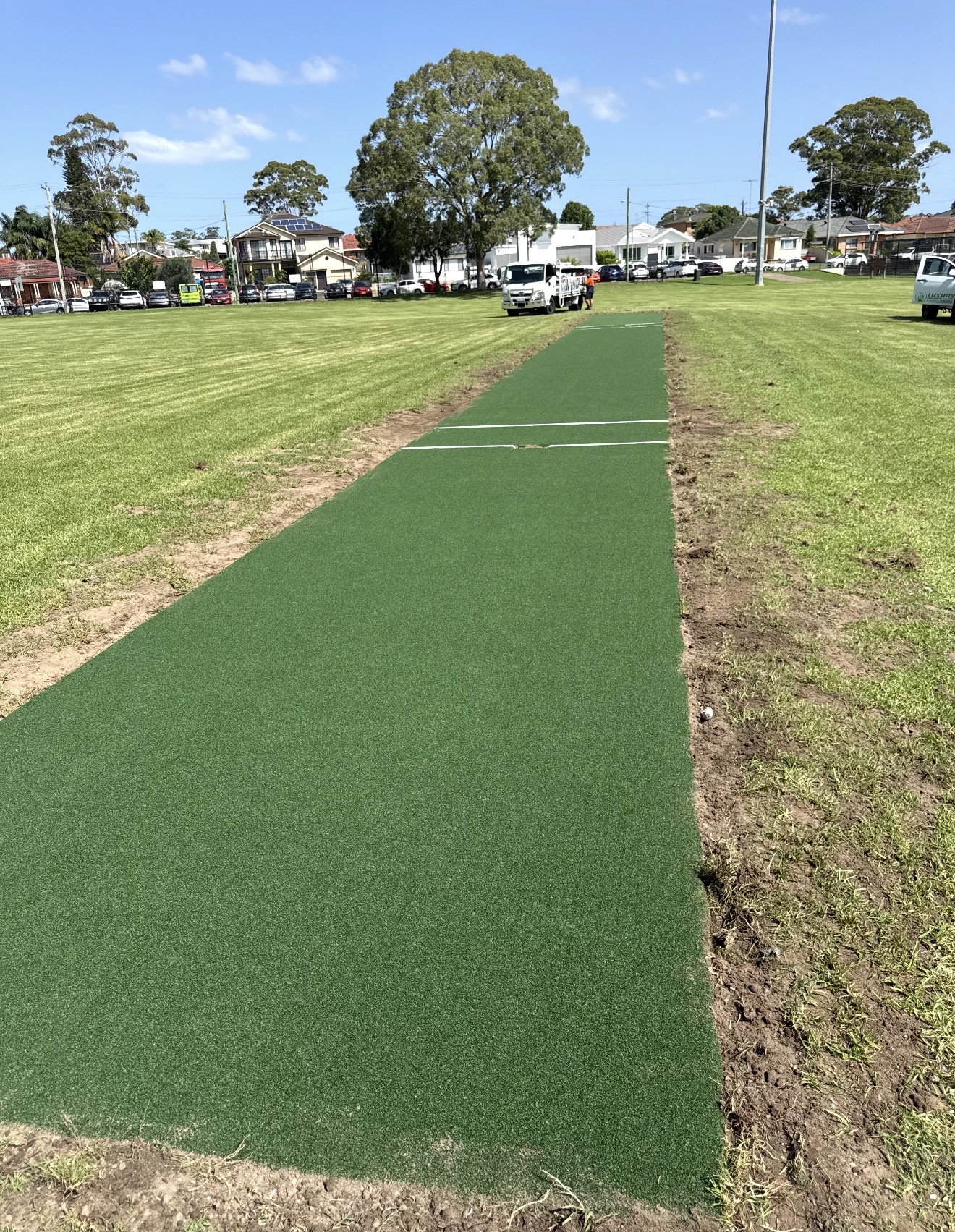
The Best soil for turf depends on your lawn type, local conditions, drainage needs, and how well the soil supports healthy root development. In Sydney, quality turf requires a balanced soil mix that provides nutrients, good water movement, and a stable foundation for long-term performance.
Choosing the correct soil before installing turf can make a significant difference to how your lawn looks, feels, and performs. Whether you are preparing a new garden, replacing an old lawn, or installing synthetic grass nearby, understanding soil quality helps you avoid common issues such as poor drainage, uneven surfaces, and weak turf establishment.
Why Soil Quality Matters Before Installing Turf
Many homeowners focus heavily on choosing the right turf variety but overlook the importance of the soil underneath. The soil base is responsible for supporting root growth, holding moisture, and supplying essential nutrients that help turf become established.
Sydney properties can experience a wide range of soil conditions. Some areas have heavy clay soils that hold too much water, while others have sandy soils that drain quickly but struggle to retain nutrients. Both situations can create challenges if the soil is not prepared correctly.
A properly prepared soil layer helps your lawn handle everyday conditions, including foot traffic, changing weather patterns, and regular mowing. Good preparation also reduces the risk of future maintenance problems.
Understanding The Best Soil For Turf Installation
The ideal turf soil is usually a quality turf underlay or sandy loam mixture designed specifically for lawn establishment. This type of soil provides a balance between drainage, moisture retention, and nutrient availability.
The best soil for turf generally includes:
- Sandy loam: Provides drainage while still holding enough moisture for turf roots.
- Organic matter: Improves soil structure and adds nutrients.
- Composted materials: Supports healthy microbial activity and soil health.
- Balanced nutrients: Encourages stronger root development and greener growth.
- Suitable soil depth: Allows turf roots enough room to establish properly.
A good soil base is especially important when laying new turf because the grass relies on this foundation while developing a strong root system.
How Sydney Soil Conditions Affect Turf Growth
Sydney’s diverse suburbs have different soil profiles, meaning there is no single solution for every property. Coastal locations often have sandy soils, while some western and northern areas may contain heavier clay-based ground.
Clay soils can become compacted, reducing air movement and preventing water from draining effectively. Sandy soils may require additional organic material to improve moisture retention and nutrient levels.
Before installing turf, it is helpful to assess the existing soil. Simple checks, such as observing how quickly water drains after rainfall or testing the soil texture, can reveal whether improvements are needed.
Professional turf preparation often involves removing unsuitable soil, improving the existing ground, levelling the area, and adding a quality turf underlay. These steps create a more reliable growing environment.
Soil Preparation Steps For A Healthy Lawn
Good preparation is one of the biggest factors in achieving a long-lasting lawn. Even premium turf can struggle if installed over poor-quality soil.
A typical preparation process includes:
- Removing old grass and weeds: Clearing the area prevents unwanted growth from competing with new turf.
- Improving soil quality: Adding suitable soil amendments helps correct drainage and nutrient issues.
- Levelling the surface: A smooth base prevents uneven growth and water pooling.
- Compacting correctly: Light compaction creates stability while maintaining drainage.
- Installing turf carefully: Fresh turf should be placed evenly with good soil contact underneath.
Taking time during preparation helps your turf establish faster and reduces the need for costly repairs later.
Does Synthetic Grass Need Soil?
Synthetic grass does not rely on soil for growth because it is not a living lawn. However, the ground preparation underneath synthetic turf remains extremely important.
A stable base is required to prevent movement, dips, and drainage problems. Synthetic grass installations commonly use materials such as crushed rock, road base, and fine bedding sand to create a firm and level foundation.
For homeowners considering synthetic grass in Sydney, understanding the difference between natural turf soil preparation and artificial grass base preparation is essential. While synthetic turf does not need nutrients, it still needs a properly engineered surface underneath.
A poorly prepared synthetic grass base can lead to issues such as wrinkles, uneven areas, and water pooling after rainfall.
Choosing The Right Soil Supplier And Materials
Selecting quality materials from an experienced supplier can help ensure your turf installation performs well over time. Look for soil products that are specifically designed for turf applications rather than general garden fill.
A suitable turf soil should meet Australian landscaping expectations and support healthy lawn establishment. It should also be free from contaminants, excessive debris, and materials that may interfere with drainage.
Understanding your property’s conditions is equally important. A professional assessment can help determine whether you need improved soil, additional drainage solutions, or a specific turf underlay product.
Common Mistakes When Preparing Turf Soil
Even experienced DIY gardeners can make mistakes when preparing a lawn area. Some of the most common problems include:
- Installing turf directly over compacted ground.
- Using unsuitable garden soil instead of turf-specific soil.
- Failing to improve drainage in heavy clay areas.
- Applying too much fertiliser before roots establish.
- Creating an uneven base that causes water collection.
Avoiding these mistakes gives your turf a stronger start and helps maintain a healthier appearance with less ongoing maintenance.
When to Call a Professional
If you are unsure about your soil condition, drainage requirements, or turf preparation process, professional advice can help you achieve better results. Experienced turf specialists understand Sydney’s soil variations and can recommend suitable preparation methods based on your property.
Luxury Synthetic Grass can assist with creating a suitable foundation for your outdoor area, helping ensure your turf installation is prepared correctly from the beginning. Professional guidance can save time, reduce future issues, and help you achieve a more durable lawn surface.
Conclusion
Choosing the Best soil for turf is one of the most important steps in creating a healthy and attractive lawn. The right soil improves drainage, supports root growth, and provides the foundation your turf needs to perform well in Sydney conditions.
Whether you are installing natural turf or preparing a base for synthetic grass, proper ground preparation should always be a priority. Understanding your soil type and selecting suitable materials will help create a lawn that looks better and lasts longer.
For expert assistance with turf preparation and synthetic grass solutions, contact Luxury Synthetic Grass to discuss the right approach for your outdoor space.
FAQ
What type of soil is best for laying turf?
The best soil for laying turf is usually a quality sandy loam or turf underlay that provides good drainage, moisture retention, and nutrients for healthy root growth.
How deep should soil be before laying turf?
Most turf installations require around 100mm of quality soil underlay, although the required depth can vary depending on the turf variety and site conditions.
Can I lay turf over existing soil?
Turf can sometimes be installed over existing soil, but the area should first be assessed and prepared. Poor drainage, compacted ground, or unsuitable soil can prevent successful turf establishment.
Does synthetic grass require soil underneath?
Synthetic grass does not need soil to grow, but it does require a properly prepared base. Materials such as crushed rock and bedding sand help create stability, drainage, and a smooth surface.