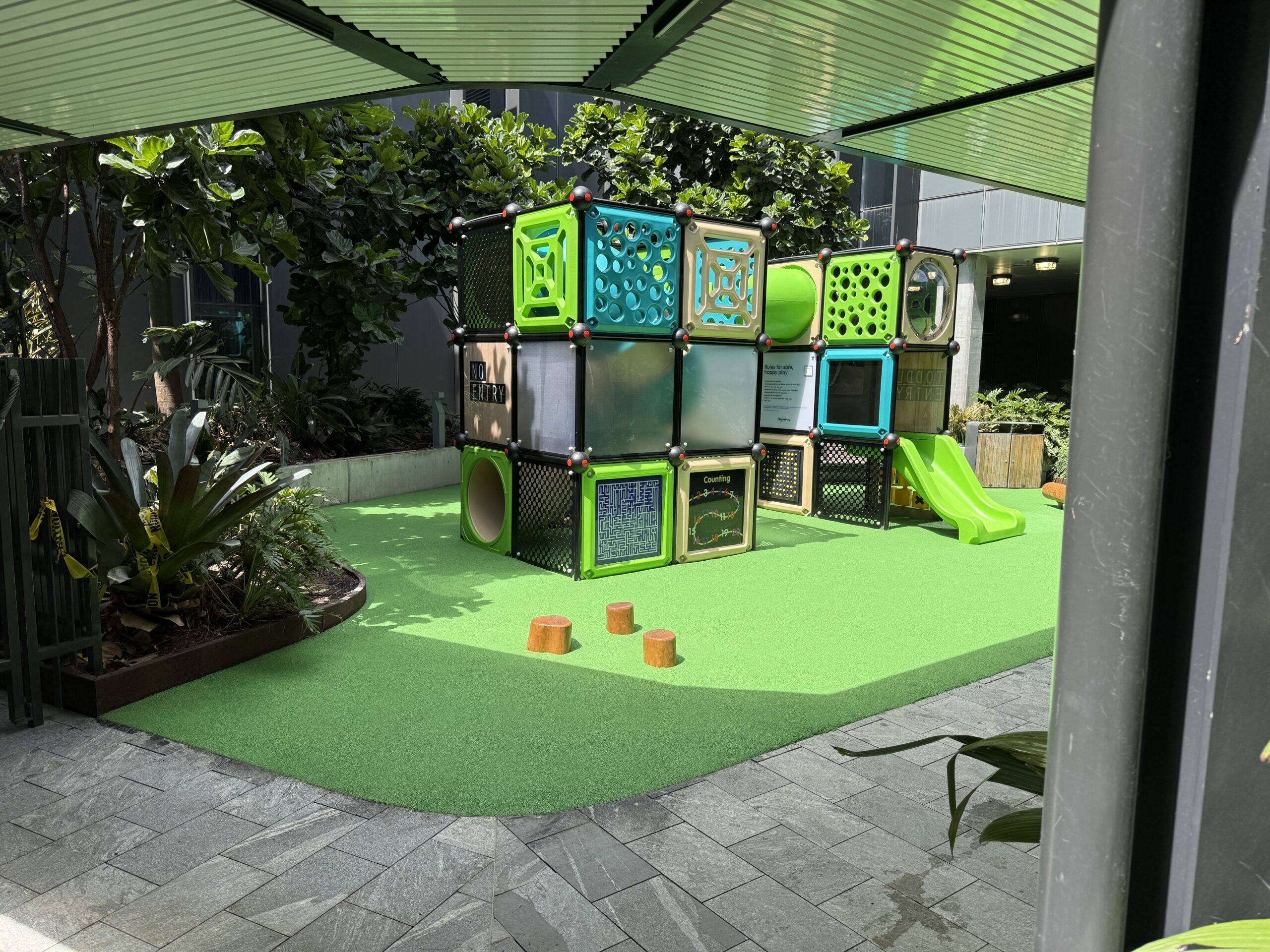
To clean artificial grass, remove leaves and solid waste, rinse affected areas and use a turf-compatible cleaner when needed. Brush flattened fibres gently with a suitable non-metal broom. Follow your manufacturer’s instructions, especially for cleaning products, equipment and infill, and investigate persistent odours or standing water rather than repeatedly covering them up.
For Camden homeowners, the right routine depends on how the lawn gets used. A courtyard beneath trees needs different attention from a backyard where dogs regularly toilet.
What You Need to Clean Artificial Grass
Start with simple equipment rather than strong chemicals. Your product’s care instructions should guide what touches the fibres and backing.
Useful supplies include:
- A soft or suitably stiff non-metal broom approved for your turf.
- A garden hose with a gentle spray setting.
- A plastic scoop or bags for pet waste.
- Clean cloths for blotting spills.
- A compatible turf cleaner, where required.
Avoid wire brushes and sharp tools that could damage fibres or backing. Before using powered equipment, check whether the manufacturer permits it and what operating limits apply.
Remove Leaves and Loose Debris First
Pick up larger items by hand, then gently sweep away leaves and small debris. Check corners, fence lines and the edges beneath outdoor furniture.
Clearing dry debris first prevents you from washing it deeper into the lawn. It also makes spills, damaged joins and other problems easier to spot.
If you use a leaf blower, follow the turf supplier’s guidance. Keep airflow controlled so you do not displace loose infill or lift an unsecured edge.
For a Camden yard beneath overhanging trees, check the surface after windy weather. A quick tidy prevents leaves from accumulating between the blades.
Rinse Dust and Everyday Dirt
A gentle rinse can remove surface dust and light contamination. Start with the affected area rather than soaking the entire lawn unnecessarily.
Watch where the water travels. If it pools repeatedly or carries debris towards a blocked outlet, address that issue before adding more water.
Rinsing does not replace removing solid waste or treating contamination appropriately. Use a compatible cleaning method when plain water does not resolve the problem.
Avoid assuming that heavier water pressure means better cleaning. Pressure washers can disturb infill, joins or backing, so only use one where the manufacturer expressly allows it.
How to Deal With Pet Waste and Urine
Remove solid waste promptly using a scoop or bag. Work carefully to avoid pressing it into the fibres, then clean any remaining residue according to the supplier’s instructions.
For urine, rinse the affected area as directed and adjust the routine to how frequently your dog uses it. A small toilet strip may need more attention than a large lawn used occasionally.
When deciding how to clean artificial grass used by pets, consider drainage as well as the surface. Waste can remain beneath the turf where water does not move away effectively.
If a compatible pet-area cleaner is needed, follow its dilution, application and contact-time instructions. Keep animals away during treatment and follow the label before allowing access again.
Do not mix cleaning chemicals. Avoid adding fragrance simply to disguise an odour that returns soon after cleaning.
Remove Food and Drink Spills Promptly
Lift away solid food gently, then blot liquids with a clean cloth. Avoid rubbing a spill across a larger area.
Check the manufacturer’s recommended treatment before applying detergent or stain remover. If permitted, test the product on an inconspicuous section first.
For sticky substances, paint, oil or other difficult spills, contact the supplier before experimenting. Solvents and aggressive scraping may damage the lawn.
Keep barbecues and hot cooking equipment away from the turf. Cleaning cannot reverse melted fibres, so prevention matters around outdoor entertaining areas.
Brush Flattened Fibres Carefully
Foot traffic and furniture can flatten artificial lawn fibres. Appropriate brushing may improve their appearance, provided the fibres are not permanently damaged.
Use the recommended brush and work gently against the pile where the manufacturer advises this. Avoid forceful scrubbing, particularly around joins and edges.
Move lightweight furniture occasionally where practical to spread wear. Lift items instead of dragging them across the surface.
If brushing exposes backing, moves infill noticeably or pulls fibres loose, stop. Check the care instructions and seek advice before continuing.
Set a Routine That Matches Your Yard
There is no single cleaning schedule that suits every property. Base your routine on visible debris, pet use, spills and the product’s maintenance requirements.
A practical approach is to:
- Remove pet waste and deal with spills promptly.
- Check for leaves, litter and damaged edges regularly.
- Rinse contaminated areas when needed.
- Brush worn sections as recommended.
- Inspect drainage whenever you notice recurring puddles.
Ask Luxury Synthetic Grass & Rubber Surface for care instructions relevant to your Camden lawn. Keep those instructions with your product and installation paperwork.
When to Call a Professional
Seek advice when odours persist despite appropriate cleaning, water repeatedly pools or joins begin separating. Loose edges, damaged backing and displaced infill also deserve assessment.
Contact Luxury Synthetic Grass & Rubber Surface to discuss the issue before using stronger chemicals or attempting repairs. Explain what you have already tried and provide photographs where possible.
Conclusion
The best way to clean artificial grass is to remove debris promptly, use gentle methods and follow the product’s care instructions. Persistent smells or drainage problems need investigation.
Speak with Luxury Synthetic Grass & Rubber Surface about maintaining your Camden lawn and addressing problems before they worsen.
Frequently Asked Questions
Can you pressure wash artificial grass?
Only if the turf manufacturer permits it. Excessive pressure or an unsuitable technique can disturb infill and damage joins or backing.
Can you use washing-up liquid on artificial grass?
Some manufacturers allow a mild diluted detergent for certain spills. Check your product’s instructions first, use the specified dilution and rinse as directed.
How do you remove dog urine smells from artificial grass?
Remove contamination, follow the recommended rinsing routine and use a compatible pet-area cleaner if needed. Investigate drainage if the smell keeps returning.
How often should you clean artificial grass?
Remove waste and spills promptly. Adjust general cleaning to your lawn’s use, surrounding trees and manufacturer’s guidance rather than following a fixed schedule.